

In the vast tapestry of Native American cultures, agave plants have long held a place of profound significance, serving a multitude of traditional uses that span from practical applications to spiritual ceremonies. As a dedicated agave plant supplier, I've had the privilege of delving into the rich history and cultural importance of these remarkable succulents. In this blog post, I'll explore the diverse ways in which Native American tribes have utilized agave plants for centuries.
Food and Nutrition
One of the most fundamental uses of agave plants in Native American cultures is as a source of food. The agave's large, fleshy leaves contain a sweet, nutritious sap that can be harvested and consumed in various forms. Tribes such as the Apache, Navajo, and Pima have a long history of roasting the agave hearts, known as "piñas," in underground ovens. The roasting process caramelizes the natural sugars in the piñas, creating a sweet and flavorful treat that can be eaten fresh or dried for later use.
In addition to the piñas, the agave's flower stalks are also edible. Once the agave reaches maturity, it sends up a tall, flowering stalk that can grow up to 30 feet in height. The flower stalks are rich in nutrients and can be roasted, boiled, or eaten raw. Some tribes also use the agave flowers to make a sweet, honey-like syrup that can be used as a natural sweetener.
Medicinal Properties
Agave plants have also been used for their medicinal properties in Native American cultures. The sap of the agave plant contains a variety of compounds that have anti-inflammatory, antibacterial, and antifungal properties. Tribes have used the sap to treat a wide range of ailments, including burns, wounds, and skin infections. The sap can be applied directly to the affected area or used in a poultice.
In addition to its topical uses, the agave plant has also been used internally to treat digestive problems, coughs, and colds. The roots of the agave plant are often boiled to make a tea that can be consumed to soothe an upset stomach or relieve congestion.
Fiber and Rope Making
The tough, fibrous leaves of the agave plant have been used for centuries to make rope, baskets, and other woven items. Native American tribes would harvest the agave leaves and strip them of their outer layer to reveal the long, strong fibers inside. These fibers can be spun into yarn and woven into a variety of products, including ropes, nets, and baskets.
The agave fibers are known for their strength and durability, making them ideal for use in ropes and other heavy-duty applications. The ropes made from agave fibers were used for a variety of purposes, including hunting, fishing, and building. The baskets and other woven items made from agave fibers were used for storing food, carrying water, and as decorative items.
Spiritual and Ceremonial Uses
Agave plants have also played an important role in the spiritual and ceremonial practices of Native American tribes. The agave is often seen as a symbol of strength, resilience, and fertility. Tribes have used the agave plant in a variety of ceremonies, including weddings, funerals, and religious rituals.
In some tribes, the agave plant is used as an offering to the gods. The piñas of the agave plant are often placed on altars or burned as a form of sacrifice. The agave plant is also used in some tribes to make a sacred drink that is consumed during religious ceremonies.
Modern Uses of Agave Plants
Today, agave plants continue to be important in many cultures around the world. In addition to their traditional uses, agave plants are also used in the production of a variety of modern products, including tequila, mezcal, and agave nectar. Tequila and mezcal are alcoholic beverages that are made from the fermented and distilled sap of the agave plant. Agave nectar is a natural sweetener that is made from the sap of the agave plant and is often used as a healthier alternative to sugar.
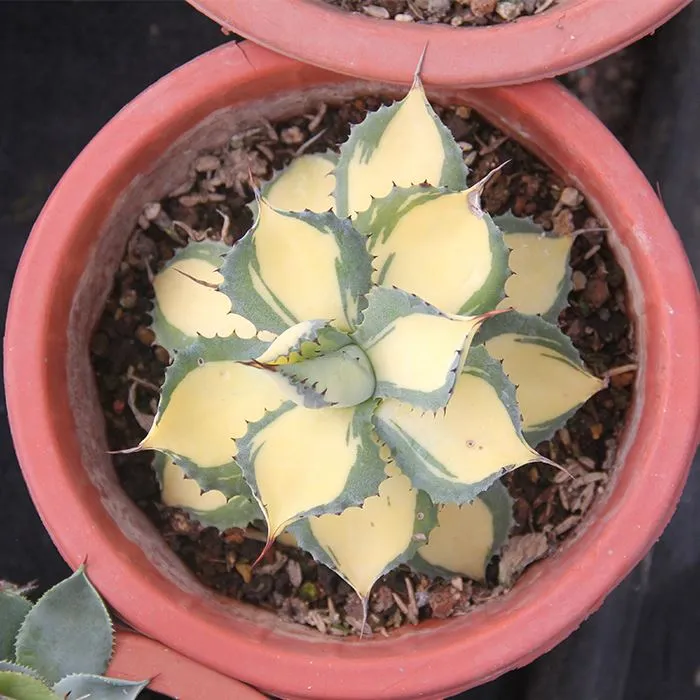
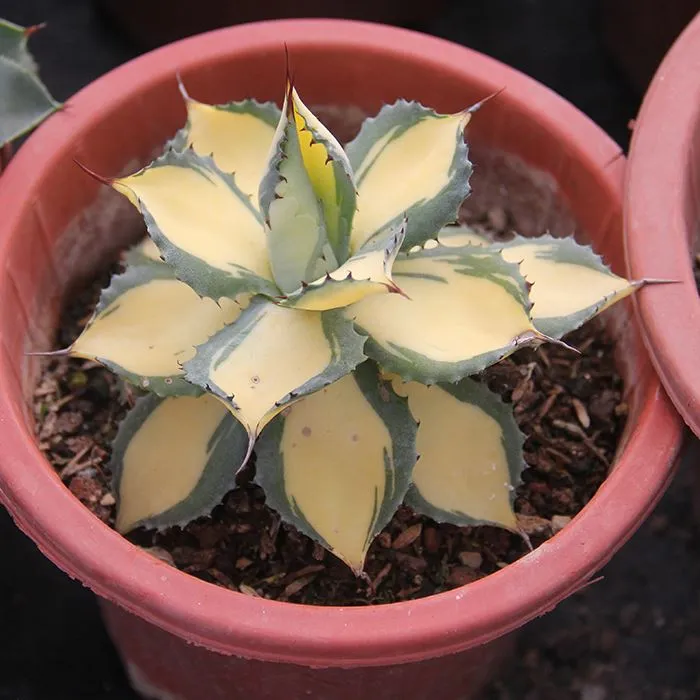
As a supplier of agave plants, I'm proud to offer a wide variety of agave species, including Agave Potatorum 'Rum Runner', Agave Isthmensis Hoji Raijin, and Agave Potatorum Shoji Raijin. These agave species are known for their unique beauty and hardiness, making them ideal for use in landscaping, gardening, and as indoor plants.
Conclusion
The agave plant is a remarkable succulent that has played an important role in Native American cultures for centuries. From its use as a source of food and medicine to its role in spiritual and ceremonial practices, the agave plant has a rich and diverse history. Today, agave plants continue to be important in many cultures around the world, and their uses are constantly evolving.
If you're interested in learning more about agave plants or would like to purchase agave plants for your own garden or landscaping project, please don't hesitate to contact me. I'm always happy to answer any questions you may have and to help you find the perfect agave plants for your needs.
References
- Anderson, E. F. (2001). Agaves, Yuccas, and Related Plants: A Gardener's Guide. Timber Press.
- Hodgson, C. J. (2001). Agaves of North America. University of Texas Press.
- Simpson, B. B., & Ogorzaly, M. C. (2010). Economic Botany: Plants in Our World. McGraw-Hill.