

Can hoya plants grow indoors? This is a question that many plant enthusiasts often ask. As a hoya plant supplier, I have had the privilege of working closely with these beautiful and unique plants, and I'm excited to share my insights on their indoor growth potential.
Understanding Hoya Plants
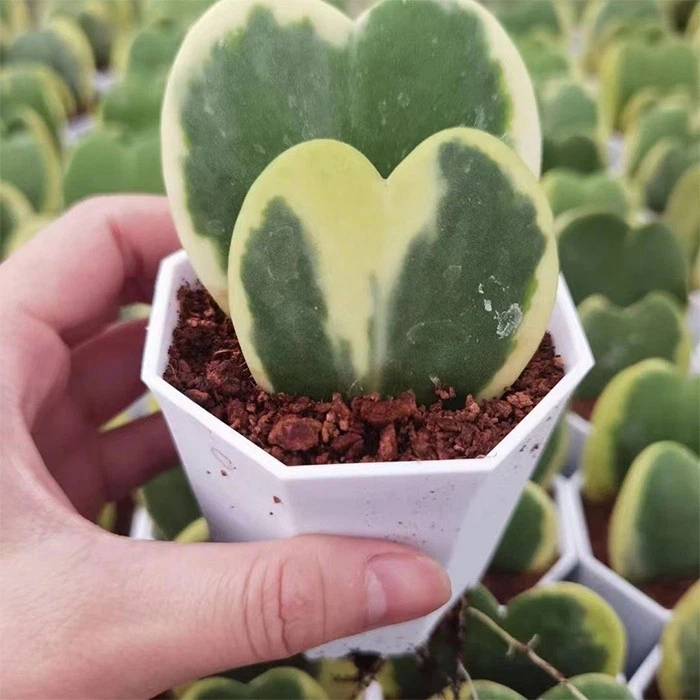
Hoya plants, also known as wax plants, are a diverse group of tropical and subtropical vines and shrubs. They are prized for their thick, waxy leaves and clusters of star - shaped flowers. There are over 200 species of hoya, each with its own distinct appearance and growth requirements. Some popular varieties include Hoya carnosa, Hoya pubicalyx, and the well - known Hoya Kerrii Heart, which is often sold as a single heart - shaped leaf.
Ideal Indoor Conditions for Hoya Plants
Light
One of the most crucial factors for the successful indoor growth of hoya plants is light. Hoyas prefer bright, indirect light. Direct sunlight can scorch their leaves, especially during the intense afternoon hours. A north - or east - facing window is often an ideal location. If you don't have a window with suitable light, you can also use artificial grow lights. LED grow lights are a great option as they can be adjusted to provide the right spectrum of light for plant growth.
Temperature
Hoya plants thrive in warm temperatures. They prefer a range between 60°F (15°C) and 80°F (27°C). Avoid exposing them to temperatures below 50°F (10°C), as this can cause damage to the plant. In the winter, make sure to keep them away from cold drafts, such as those near windows or doors.
Humidity
Being tropical plants, hoyas enjoy high humidity. Indoor air can be quite dry, especially during the winter months when the heating is on. To increase humidity around your hoya plants, you can use a humidifier, place a tray of water near the plants, or group them together. Misting the leaves can also help, but be careful not to over - mist as this can lead to fungal diseases.
Soil
Well - draining soil is essential for hoya plants. A mixture of peat moss, perlite, and orchid bark is a good choice. This type of soil allows excess water to drain away quickly, preventing root rot. You can also add some charcoal to the soil mix to help absorb any impurities.
Watering and Fertilizing Hoya Plants Indoors
Watering
Hoya plants have succulent - like leaves, which means they can store water. Over - watering is one of the most common mistakes when growing hoyas indoors. Allow the top inch or two of the soil to dry out between waterings. During the growing season (spring and summer), you may need to water more frequently, but still make sure not to let the plant sit in water. In the winter, reduce watering as the plant's growth slows down.
Fertilizing
Fertilize your hoya plants during the growing season. A balanced, water - soluble fertilizer diluted to half strength can be applied every two to four weeks. Avoid fertilizing during the winter months when the plant is dormant. Too much fertilizer can cause salt build - up in the soil, which can damage the roots.

Pruning and Training Hoya Plants
Pruning
Pruning is important for maintaining the shape and health of your hoya plant. You can prune away any dead or damaged leaves and stems. If your hoya is getting too leggy, you can also trim it back to encourage bushier growth. Use clean, sharp pruning shears to make clean cuts.
Training
Many hoya plants are vines, and they can be trained to grow on a trellis or a moss pole. This not only makes the plant look more attractive but also helps it to grow in a more organized way. As the plant grows, gently guide the vines along the support structure.
Common Problems and Solutions for Indoor Hoya Plants
Pests
Hoya plants can be susceptible to pests such as aphids, mealybugs, and spider mites. To get rid of these pests, you can use insecticidal soap or neem oil. Make sure to spray the entire plant, including the undersides of the leaves. For severe infestations, you may need to isolate the plant and treat it more aggressively.
Diseases
Fungal diseases can be a problem, especially if the humidity is too high or the plant is over - watered. To prevent fungal diseases, make sure the plant has good air circulation and avoid getting the leaves wet when watering. If you notice signs of a fungal infection, such as black spots on the leaves, remove the affected leaves and treat the plant with a fungicide.
Benefits of Growing Hoya Plants Indoors
Aesthetic Appeal
Hoya plants are incredibly beautiful. Their unique leaves and fragrant flowers can add a touch of tropical elegance to any indoor space. Whether you place them on a windowsill, a bookshelf, or hang them in a basket, they are sure to be a focal point.
Air Purification
Like many other houseplants, hoyas can help purify the air in your home. They absorb harmful pollutants, such as formaldehyde and benzene, and release oxygen, making the air cleaner and healthier to breathe.
Conclusion
In conclusion, hoya plants can definitely grow indoors, provided you provide them with the right conditions. By paying attention to light, temperature, humidity, soil, watering, and fertilizing, you can enjoy the beauty of these tropical plants in your own home.
If you're interested in adding hoya plants to your indoor collection or have any questions about our hoya plant products, we'd love to hear from you. Feel free to reach out to us to start a discussion about purchasing and to learn more about the different varieties we offer.
References
- "The Gardener's Guide to Growing Hoyas" by Jane Smith
- "Indoor Plant Care Handbook" by John Doe
- Various research articles on tropical plant cultivation from botanical journals.