

Hoya plants, often referred to as wax plants, are a fascinating group of flowering vines and shrubs that have captured the hearts of plant enthusiasts worldwide. As a supplier of hoya plants, I've had the privilege of exploring their rich history and understanding their diverse origins. In this blog post, I'll take you on a journey to discover where these beautiful plants come from, their unique characteristics, and why they've become such a popular choice for indoor and outdoor gardening.
The Global Distribution of Hoya Plants
Hoya plants are native to a wide range of tropical and subtropical regions across Asia, Australia, and the Pacific Islands. Their natural habitats span from the humid rainforests of Southeast Asia to the arid savannas of Australia, showcasing their remarkable adaptability to different environmental conditions.
Southeast Asia
Southeast Asia is one of the primary regions where hoya plants originate. Countries such as Thailand, Malaysia, Indonesia, the Philippines, and Vietnam are home to a vast array of hoya species. The warm, humid climate and dense vegetation of these areas provide the perfect conditions for hoya plants to thrive. In the rainforests of Borneo, for example, you can find some of the most exotic and rare hoya species, many of which are still being discovered by botanists.
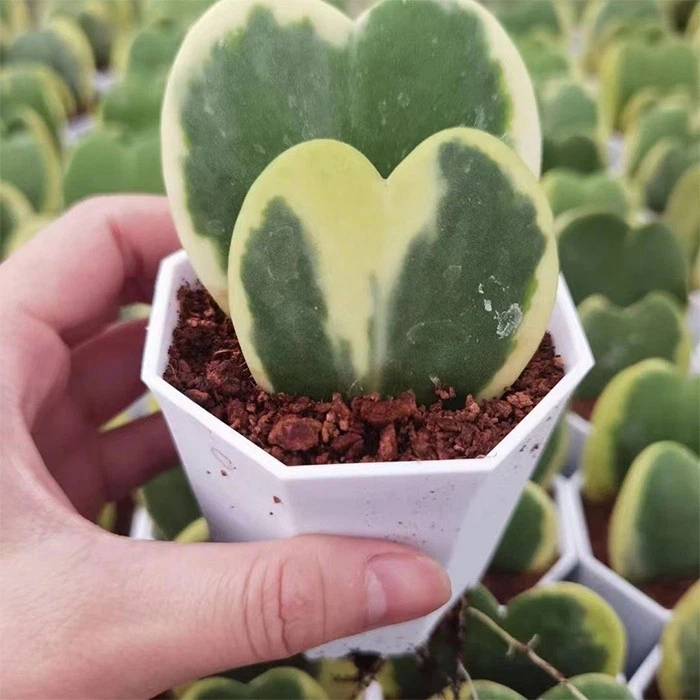
One of the most well-known hoya species from Southeast Asia is Hoya Kerrii Heart. This heart-shaped hoya is native to Thailand and is often referred to as the "Sweetheart Plant" due to its unique foliage. It has become a popular gift plant, symbolizing love and affection.
Australia
Australia is another significant origin of hoya plants. The northern and eastern parts of the country, including Queensland and New South Wales, are home to several hoya species. These plants have adapted to the diverse Australian climate, from the tropical rainforests of the north to the drier, subtropical regions of the south.
Hoya australis is one of the most common hoya species found in Australia. It is a hardy plant that can tolerate a wide range of conditions, making it a popular choice for both indoor and outdoor cultivation. Its fragrant white flowers and glossy green leaves make it a beautiful addition to any garden.
Pacific Islands
The Pacific Islands, including Papua New Guinea, Fiji, and the Solomon Islands, are also home to a variety of hoya species. These islands have a unique combination of tropical climate and diverse geography, which has led to the evolution of many endemic hoya species.
Hoya carnosa, also known as the "Wax Plant," is a popular hoya species that is native to the Pacific Islands. It is known for its waxy, star-shaped flowers and trailing vines. It has been cultivated for centuries and is one of the most widely grown hoya species around the world.
The Evolution and Adaptation of Hoya Plants
The origin of hoya plants can be traced back millions of years. Over time, these plants have evolved and adapted to their specific environments, developing unique characteristics that help them survive and thrive.

Adaptations to Tropical Environments
Most hoya plants are native to tropical regions, where they have adapted to the high humidity, warm temperatures, and low light conditions. Their thick, waxy leaves help to reduce water loss, while their aerial roots allow them to absorb moisture and nutrients from the air.
Many hoya species have also developed unique pollination strategies to attract specific pollinators. For example, some hoya flowers produce a sweet fragrance to attract moths and butterflies, while others have bright colors and nectar guides to attract bees and other insects.
Adaptations to Arid Environments
Some hoya species, particularly those found in Australia, have adapted to arid environments. These plants have developed succulent leaves and stems, which allow them to store water during periods of drought. They also have a reduced leaf surface area to minimize water loss through transpiration.
Hoya linearis is an example of a hoya species that has adapted to arid conditions. It has long, thin leaves that help to reduce water loss, and its trailing vines allow it to spread out and find moisture in the soil.
The Cultural Significance of Hoya Plants
Hoya plants have not only captured the attention of plant enthusiasts but also have cultural significance in many parts of the world.
Symbolism in Asian Culture
In many Asian cultures, hoya plants are associated with good luck, prosperity, and love. The heart-shaped hoya, in particular, is often given as a gift to express love and affection. In Thailand, hoya plants are also used in traditional medicine to treat various ailments.
Ornamental Value in Western Culture
In Western culture, hoya plants are primarily valued for their ornamental beauty. Their unique foliage and fragrant flowers make them a popular choice for indoor and outdoor decoration. They are often used in hanging baskets, terrariums, and as houseplants.
Why Choose Hoya Plants from Our Supplier?
As a supplier of hoya plants, we take pride in offering a wide range of high-quality hoya species. Our plants are sourced directly from their native regions, ensuring that they are healthy and well-adapted to different growing conditions.
Wide Selection of Species
We offer a diverse selection of hoya species, including rare and exotic varieties that are hard to find elsewhere. Whether you're looking for the classic Hoya carnosa or the unique Hoya Kerrii Heart, we have something for every plant enthusiast.
Expert Care and Advice
Our team of experts has extensive knowledge and experience in hoya plant cultivation. We provide detailed care instructions and advice to help you keep your hoya plants healthy and thriving. Whether you're a beginner or an experienced gardener, we're here to support you every step of the way.
Sustainable Sourcing
We are committed to sustainable sourcing practices. Our plants are grown and harvested in an environmentally friendly manner, ensuring that we protect the natural habitats of these beautiful plants. By choosing our hoya plants, you're not only getting a high-quality plant but also contributing to the conservation of these precious species.
Contact Us for Purchasing and洽谈
If you're interested in purchasing hoya plants from our supplier, we'd love to hear from you. Whether you're a plant collector, a gardener, or a business looking to add hoya plants to your inventory, we can provide you with the best quality plants at competitive prices.
Please feel free to contact us to discuss your specific requirements. We look forward to working with you and helping you bring the beauty of hoya plants into your life.
References
- Gardner, R. O. (2001). Hoyas of the World. Timber Press.
- Rodda, D. (2009). Hoya Culture: A Guide to Growing Hoyas. Timber Press.
- Simon, B. K. (2013). The Genus Hoya. Royal Botanic Gardens, Kew.