

Hoya plants, often referred to as wax plants, are a captivating group of flowering succulents that have gained immense popularity among plant enthusiasts. As a supplier of hoya plants, I have had the privilege of witnessing the unique beauty and charm of these remarkable flowers up close. In this blog post, I will delve into the distinctive features of hoya plant flowers, exploring their morphology, fragrance, and ecological significance.
Morphology of Hoya Plant Flowers
One of the most striking aspects of hoya plant flowers is their intricate and elaborate structure. Hoya flowers typically grow in clusters, known as umbels, which can contain anywhere from a few to dozens of individual blooms. Each flower is composed of five petals that are fused at the base, forming a star-shaped or bell-shaped corolla. The petals are often thick and waxy, giving them a lustrous appearance and a soft, velvety texture.
The center of the flower is occupied by a prominent corona, which is a modified structure that surrounds the stamens and pistil. The corona can vary in shape and color, depending on the species of hoya. Some coronas are simple and flat, while others are complex and multi-layered, with intricate patterns and textures. The stamens and pistil are located within the corona, and they play a crucial role in the pollination and reproduction of the plant.
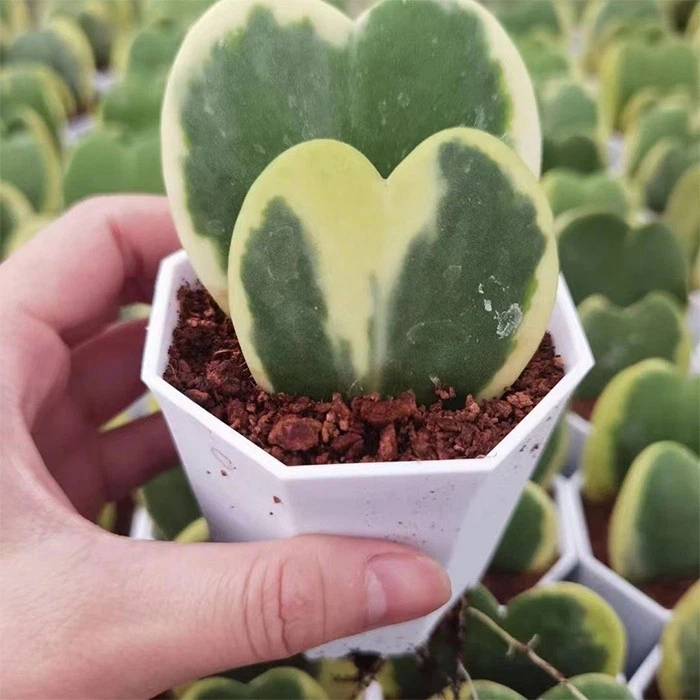

Another unique feature of hoya plant flowers is their size and shape. Hoya flowers can range in size from tiny, delicate blooms that are only a few millimeters in diameter to large, showy flowers that can be several centimeters across. The shape of the flowers can also vary widely, from the classic star-shaped or bell-shaped corolla to more unusual forms, such as the heart-shaped flowers of the Hoya Kerrii Heart.
Fragrance of Hoya Plant Flowers
In addition to their stunning appearance, hoya plant flowers are also known for their exquisite fragrance. The fragrance of hoya flowers can vary depending on the species of hoya, but it is often described as sweet, floral, and sometimes even spicy or citrusy. Some hoya flowers have a very strong fragrance that can fill a room, while others have a more subtle scent that is only detectable when you are close to the flower.
The fragrance of hoya flowers is produced by specialized glands located on the petals and corona. These glands secrete a variety of volatile organic compounds (VOCs), which are responsible for the characteristic scent of the flower. The VOCs can attract pollinators, such as bees, butterflies, and moths, to the flower, which helps to ensure the successful pollination and reproduction of the plant.
The fragrance of hoya flowers can also have a therapeutic effect on humans. Many people find the scent of hoya flowers to be calming and relaxing, and it has been used in aromatherapy to treat a variety of conditions, such as anxiety, stress, and insomnia. Some hoya flowers are also believed to have antibacterial and antifungal properties, which can help to purify the air and improve the overall health of your home.
Ecological Significance of Hoya Plant Flowers
Hoya plant flowers play an important role in the ecosystem. They are a source of food and shelter for a variety of pollinators, such as bees, butterflies, and moths. The nectar and pollen produced by the flowers provide a valuable source of energy for these insects, which helps to support their survival and reproduction.
In addition to providing food for pollinators, hoya plant flowers also play a role in the dispersal of seeds. When a pollinator visits a hoya flower, it transfers pollen from the anthers to the stigma, which fertilizes the ovules and initiates the formation of seeds. Once the seeds are mature, they are dispersed by the wind, water, or animals, which helps to ensure the survival and spread of the plant.
Hoya plants are also important for the conservation of biodiversity. Many species of hoya are endemic to specific regions of the world, and they are threatened by habitat loss, deforestation, and climate change. By growing hoya plants in our homes and gardens, we can help to preserve these unique and beautiful plants for future generations.
Cultivation and Care of Hoya Plants
If you are interested in growing hoya plants, there are a few things that you need to know. Hoya plants are relatively easy to care for, but they do have some specific requirements. Here are some tips for growing and caring for hoya plants:
- Light: Hoya plants prefer bright, indirect light. They can tolerate some direct sunlight, but too much direct sunlight can damage the leaves and flowers.
- Water: Hoya plants are succulents, which means that they store water in their leaves and stems. They do not need to be watered frequently, and overwatering can cause the roots to rot. Water your hoya plant when the soil is dry to the touch.
- Soil: Hoya plants prefer a well-draining soil that is rich in organic matter. You can use a commercial potting mix that is specifically formulated for succulents, or you can make your own potting mix by combining equal parts of peat moss, perlite, and vermiculite.
- Fertilizer: Hoya plants do not need to be fertilized frequently. You can fertilize your hoya plant once a month during the growing season (spring and summer) with a balanced fertilizer that is diluted to half strength.
- Pruning: Hoya plants do not need to be pruned regularly, but you can prune them to control their size and shape. You can also prune off any dead or damaged leaves and flowers.
Conclusion
In conclusion, hoya plant flowers are truly unique and beautiful. Their intricate structure, exquisite fragrance, and ecological significance make them a fascinating subject of study and a popular choice for plant enthusiasts. As a supplier of hoya plants, I am passionate about sharing the beauty and charm of these remarkable flowers with others. If you are interested in purchasing hoya plants for your home or garden, please do not hesitate to contact me. I would be happy to help you choose the right hoya plants for your needs and provide you with any information or advice that you may need.
References
- Barnes, R. W., & Burrows, G. E. (2006). Hoya. In The New Royal Horticultural Society Dictionary of Gardening (Vol. 2, pp. 397-398). London: Macmillan.
- Forster, P. I., & Liddle, I. D. (1996). A taxonomic revision of Hoya R. Br. (Asclepiadaceae) in Australia. Australian Systematic Botany, 9(3), 329-382.
- Wrigley, J. W., & Fagg, M. (2001). Australian Native Plants: The Complete Guide. Collingwood, VIC: Lothian.