

Hey there, fellow plant lovers! I'm an avid haworthia plant supplier, and I've spent years cultivating these amazing succulents. One question I get asked a lot is, "How do I fertilize my haworthia plant?" Well, you've come to the right place. In this blog post, I'm gonna share with you everything you need to know about fertilizing your haworthia plants.
First things first, let's talk about why fertilizing is important for haworthias. These little guys are slow - growers, and they don't need a ton of nutrients compared to some other plants. But just like us, they still need a balanced diet to stay healthy and look their best. Fertilizer provides essential nutrients like nitrogen, phosphorus, and potassium, which help with growth, root development, and overall plant health.
When to Fertilize
Haworthias have a natural growth cycle, and it's important to fertilize them at the right time. They are most active during the spring and fall. That's when they're growing new leaves and roots, so they can make the most of the nutrients you give them. During the summer, it can get really hot, and haworthias may go into a bit of a slow - growth or semi - dormant state. In winter, they're usually dormant. So, it's best to avoid fertilizing during these times.
I recommend fertilizing your haworthias once a month during the spring and fall. This gives them a steady supply of nutrients without overloading them.
Choosing the Right Fertilizer
There are a bunch of different fertilizers out there, but not all of them are suitable for haworthias. You want a fertilizer that's low in nitrogen and high in phosphorus and potassium. Nitrogen promotes leafy growth, but too much can make haworthias grow too fast and become weak. Phosphorus and potassium, on the other hand, are great for root development and overall plant strength.
A good option is a cactus or succulent - specific fertilizer. These are formulated to meet the unique needs of these types of plants. You can also use a balanced liquid fertilizer, but make sure to dilute it to half or even a quarter of the recommended strength.
How to Apply Fertilizer
Now that you've got the right fertilizer and know when to use it, let's talk about how to apply it. There are a couple of different methods you can use.
Soil Drench
This is the most common method. First, water your haworthia plant as you normally would. Then, mix the diluted fertilizer with water according to the instructions on the package. Pour the fertilizer solution slowly around the base of the plant, making sure not to get any on the leaves. You want the fertilizer to soak into the soil where the roots can absorb it.
Foliar Spray
You can also use a foliar spray, but this should be done sparingly. Dilute the fertilizer even more than you would for a soil drench. Use a fine - mist spray bottle to spray the solution on the leaves of the haworthia. Make sure to do this in the early morning or late evening when the sun isn't too strong, as the leaves can get burned if they're wet in direct sunlight.
Special Considerations for Different Haworthia Varieties
There are many different varieties of haworthia plants, and some may have slightly different fertilizing needs. For example, the Haworthiopsis Reinwardtii is a relatively hardy variety. It can tolerate a bit more fertilizer than some other types, but you still need to be careful not to overdo it.
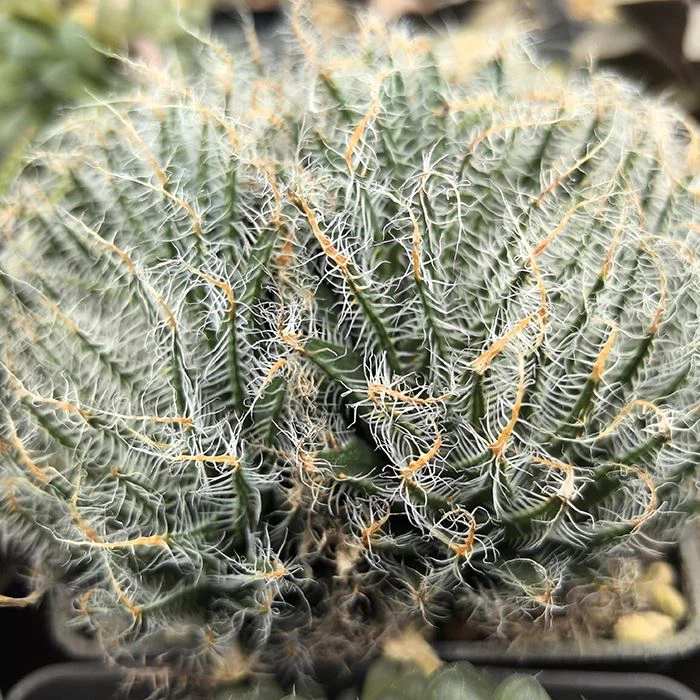
The Haworthia Arachnoidea 'joubertii' is a more delicate variety. It prefers a very light touch when it comes to fertilizing. You may want to fertilize it less frequently, perhaps every two months during the growing season.
The Haworthia 'Royal Albert' Plant has beautiful, compact leaves. It benefits from a well - balanced fertilizer, but again, at a very diluted strength.
Signs of Over - fertilizing and Under - fertilizing
It's important to keep an eye on your haworthia plants to make sure you're getting the fertilizing right.
Over - fertilizing
If you give your haworthia too much fertilizer, you may notice some signs. The leaves may start to turn yellow or brown, and they may become soft and mushy. You might also see a white crust on the soil surface, which is a sign of salt buildup from the fertilizer. If you suspect over - fertilizing, stop fertilizing immediately and flush the soil with plenty of water to remove the excess salts.

Under - fertilizing
On the other hand, if your haworthia isn't getting enough fertilizer, it may grow very slowly or not at all. The leaves may look pale and lackluster, and the plant may seem weak. If you see these signs, you can increase the frequency of fertilizing slightly, but still be careful not to go overboard.
Wrapping Up
Fertilizing your haworthia plants doesn't have to be complicated. Just remember to fertilize at the right time, choose the right fertilizer, and apply it correctly. Pay attention to the needs of your specific haworthia variety, and keep an eye out for signs of over - or under - fertilizing.
If you're looking to add more haworthia plants to your collection or start a new one, I'm here to help. As a haworthia plant supplier, I've got a wide variety of healthy and beautiful haworthias available. Whether you're a beginner or an experienced plant enthusiast, I can provide you with the best haworthia plants for your needs. If you're interested in purchasing, feel free to reach out to me for more information and to start a procurement negotiation.
References
- "Succulents: A Comprehensive Guide" by Jane Smith
- Online resources from well - known succulent gardening websites