

Hey there, plant lovers! As a hoya plant supplier, I've seen firsthand the excitement that comes with propagating a new hoya plant. It's like welcoming a little green baby into the world. In this blog, I'll share some tips on how to care for a newly propagated hoya plant to ensure it thrives and grows into a beautiful, healthy specimen.
Understanding the Propagation Process
Before we dive into care tips, let's quickly go over how hoya plants are typically propagated. The most common methods are stem cuttings and leaf cuttings.
Stem Cuttings
Taking a stem cutting is a popular way to propagate hoyas. You'll want to select a healthy stem with at least a few nodes (those little bumps on the stem where leaves and roots grow). Using a clean, sharp pair of scissors or pruning shears, cut the stem just below a node. Remove the lower leaves, leaving a couple at the top. You can then place the cutting in water or a well - draining potting mix.
Leaf Cuttings
Leaf cuttings are also an option, especially for some hoya varieties. Simply cut a healthy leaf from the plant, making sure to include a small piece of the petiole (the stalk that attaches the leaf to the stem). Place the leaf cutting in a moist growing medium.

Initial Care After Propagation
Once you've propagated your hoya plant, the first few weeks are crucial.
Watering
If you've propagated in water, keep an eye on the water level. Change the water every few days to prevent the growth of bacteria and algae. Once roots start to form, you can transfer the cutting to soil. When watering in soil, be careful not to overdo it. Newly propagated hoyas have delicate root systems, and too much water can lead to root rot. Water only when the top inch of the soil feels dry to the touch.
Light
Hoyas like bright, indirect light. Place your newly propagated plant near a window where it can get plenty of light but is protected from direct sunlight, which can scorch the tender leaves. A north - or east - facing window is usually a great spot.
Temperature and Humidity
Hoyas prefer warm and humid conditions. Keep the temperature around 60 - 80°F (15 - 27°C). You can increase humidity by placing a tray of water near the plant or using a humidifier. Misting the plant gently can also help, but be careful not to over - mist as this can lead to fungal diseases.
Potting and Soil
Once your hoya cutting has developed a good root system, it's time to pot it up.
Choosing the Right Pot
Select a pot that is just slightly larger than the root ball. A pot that is too large can hold too much moisture, which is not good for the young plant. Make sure the pot has drainage holes to allow excess water to escape.
Soil Mix
Hoyas need a well - draining soil mix. You can use a commercial orchid mix or make your own by combining equal parts of peat moss, perlite, and bark. This type of soil allows air to reach the roots and prevents waterlogging.
Fertilizing
Newly propagated hoyas don't need a lot of fertilizer right away. Wait until the plant has established itself and is showing signs of new growth. Then, you can start fertilizing with a balanced, water - soluble fertilizer diluted to half strength. Fertilize every two to four weeks during the growing season (spring and summer) and reduce or stop fertilizing in the fall and winter.
Pruning and Training
As your hoya plant grows, you may need to do some pruning and training.
Pruning
Pruning helps to keep the plant looking neat and encourages bushier growth. You can remove any dead or yellowing leaves, as well as any stems that are growing in an undesirable direction. Use clean, sharp pruning tools to make clean cuts.
Training
Hoyas are vining plants, and you can train them to grow on a trellis or other support structure. Gently guide the stems along the support and use soft ties to secure them if needed. This not only makes the plant look more attractive but also helps it grow more efficiently.
Common Pests and Diseases
Like all plants, hoyas can be susceptible to pests and diseases.
Pests
Common pests that can affect hoyas include aphids, mealybugs, and spider mites. You can usually get rid of these pests by wiping the leaves with a damp cloth or using an insecticidal soap. If the infestation is severe, you may need to use a stronger pesticide, but be sure to follow the instructions carefully.
Diseases
Root rot is one of the most common diseases in hoyas, usually caused by overwatering. To prevent root rot, make sure the soil is well - draining and don't water the plant too often. Fungal diseases can also occur, especially in humid conditions. Good air circulation around the plant can help prevent these diseases.
Specific Care for Hoya Kerrii Heart
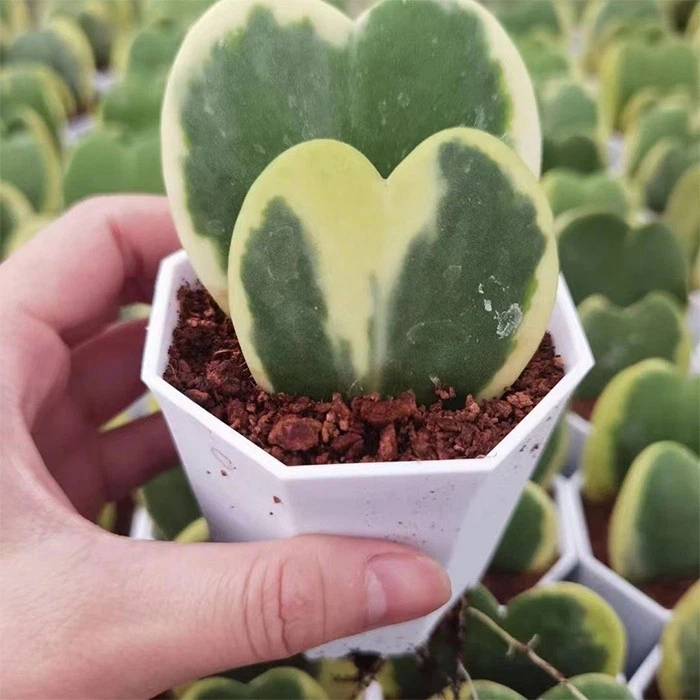
One of the most popular hoya varieties is the Hoya Kerrii Heart. These heart - shaped leaves are so cute and make a great gift. When caring for a newly propagated Hoya Kerrii Heart, the same general care tips apply. However, keep in mind that they can be a bit more sensitive to overwatering. Make sure the soil dries out between waterings, and don't let the plant sit in water.
Conclusion
Caring for a newly propagated hoya plant takes a little time and effort, but it's definitely worth it. With the right care, your hoya will grow into a beautiful, thriving plant that will bring you joy for years to come.
If you're interested in purchasing hoya plants or have any questions about propagation or care, feel free to reach out. I'm here to help you on your hoya - growing journey!
References
- "The Hoya Grower's Bible" by an unknown hoya enthusiast.
- Various horticultural websites and forums dedicated to hoya plants.