

Agave plants are a fascinating addition to any plant collection, known for their striking appearance and resilience. As a supplier of a wide variety of agave plants, I often get asked whether these magnificent succulents can be grown in pots. The answer is a resounding yes! In this blog, I'll delve into the details of growing agave plants in pots, from choosing the right species to providing the optimal care.
Choosing the Right Agave Species for Pot Growing
Not all agave species are suitable for pot cultivation. Some agaves can grow to massive sizes, reaching several meters in diameter, which would quickly outgrow any pot. However, there are many compact and slow - growing agave species that are perfect for container gardening.
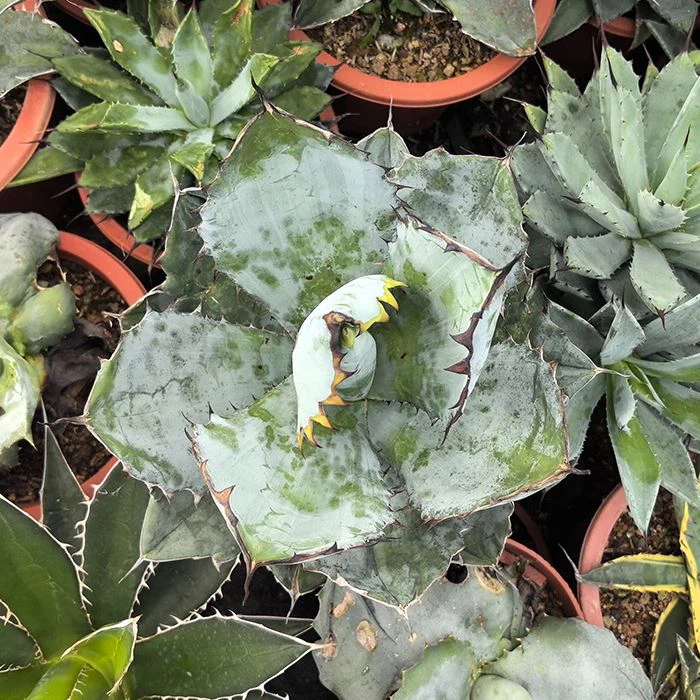
Agave Potatorum Shoji Raijin
One excellent choice is the Agave Potatorum Shoji Raijin. This small - to medium - sized agave has beautiful, blue - green leaves with distinctive markings. It typically reaches a height of about 30 - 40 cm and a width of 40 - 50 cm, making it well - suited for pot growing. Its slow growth rate means it won't outgrow its container too quickly.
Agave Isthmensis Cv. Hoi Raiz
Another great option is the Agave Isthmensis Cv. Hoi Raiz. This agave has slender, upright leaves with a unique texture. It remains relatively small, usually growing to around 20 - 30 cm in height and width. Its compact size makes it an ideal candidate for a pot on a balcony or patio.
Agave Titanota Cv. Black And Blue
The Agave Titanota Cv. Black And Blue is also a good choice for pot cultivation. It has thick, fleshy leaves with a stunning blue - black coloration. This agave grows to a moderate size, around 30 - 50 cm in diameter, and can thrive in a well - sized pot.
Selecting the Right Pot
The choice of pot is crucial for the health of your agave plant. Here are some factors to consider:
Size
The pot should be large enough to accommodate the root system of the agave. A general rule of thumb is to choose a pot that is about 2 - 3 inches wider in diameter than the base of the plant. This allows room for the roots to grow and expand. However, avoid using an overly large pot, as excess soil can retain too much moisture, which can lead to root rot.
Material
Terracotta pots are a popular choice for agave plants. They are porous, which allows for better air circulation and drainage. This helps prevent the soil from becoming waterlogged. Plastic pots are also an option, as they are lightweight and less likely to break. However, they may not provide as good drainage as terracotta pots, so make sure to have adequate drainage holes.
Drainage
Good drainage is essential for agave plants. Make sure the pot has multiple drainage holes at the bottom. You can also add a layer of gravel or small stones at the bottom of the pot to improve drainage.

Soil Requirements
Agave plants prefer well - draining soil. A cactus or succulent potting mix is an ideal choice, as it is specifically formulated to provide good drainage. You can also make your own potting mix by combining equal parts of regular potting soil, perlite, and coarse sand. This mixture allows water to flow through quickly, preventing the roots from sitting in wet soil.
Watering and Fertilizing
Watering
Agave plants are drought - tolerant, so they don't require frequent watering. Overwatering is one of the most common mistakes when growing agaves in pots. Water the plant thoroughly when the top inch of soil is dry. During the winter months, reduce watering frequency, as the plant is in a dormant state.
Fertilizing
Agave plants don't need a lot of fertilizer. You can fertilize them once or twice a year during the growing season (spring and summer) with a balanced, slow - release fertilizer formulated for cacti and succulents. Follow the instructions on the fertilizer package for the correct application rate.
Sunlight and Temperature
Sunlight
Agave plants love sunlight. Place your potted agave in a location where it can receive at least 6 hours of direct sunlight per day. A south - facing window or a sunny balcony is an ideal spot. However, if you live in an area with extremely hot summers, you may need to provide some afternoon shade to prevent the leaves from getting sunburned.
Temperature
Most agave species can tolerate a wide range of temperatures. However, they are generally not frost - tolerant. If you live in an area with cold winters, bring your potted agave indoors before the first frost. Keep it in a cool, bright location during the winter months.
Pruning and Maintenance
Pruning
Pruning is not usually necessary for agave plants, but you can remove any dead or damaged leaves to keep the plant looking tidy. Use clean, sharp pruning shears to make a clean cut at the base of the leaf.
Pests and Diseases
Agave plants are relatively pest - and disease - resistant. However, they can be susceptible to mealybugs, scale insects, and root rot. Inspect your plant regularly for signs of pests or diseases. If you notice any problems, treat them promptly with an appropriate insecticide or fungicide.
Repotting
As your agave plant grows, it may eventually outgrow its pot. You will know it's time to repot when the roots start to grow out of the drainage holes or the plant becomes top - heavy. Repot the agave in a slightly larger pot with fresh potting soil. Do this during the spring or summer when the plant is actively growing.
Conclusion
Growing agave plants in pots is a rewarding experience. With the right choice of species, pot, soil, and care, you can enjoy the beauty of these unique succulents in your home or garden. Whether you're a seasoned plant enthusiast or a beginner, agave plants in pots can add a touch of the exotic to your space.
If you're interested in purchasing agave plants for pot growing, we have a wide selection of high - quality agave species available. Contact us to start a discussion about your specific needs and preferences. We're here to help you find the perfect agave plants for your collection.
References
- Armitage, A. M. (2009). Armitage's Manual of Annuals, Biennials, and Half - Hardy Perennials. Timber Press.
- Brickell, C., & Zuk, T. (1997). The American Horticultural Society A - to - Z Encyclopedia of Garden Plants. DK Publishing.
- Griffiths, M. (2014). Succulents: The Definitive Guide. Firefly Books.