

Hey there, fellow plant enthusiasts! I'm an agave plant supplier, and I've been knee - deep in the world of agaves for quite some time. One question I get asked a lot is, "What kind of soil is best for agave plants?" Well, let's dig into it!
First off, it's crucial to understand a bit about agave plants. Agaves are succulents, which means they've adapted to survive in arid conditions. They store water in their thick, fleshy leaves, and this unique characteristic also influences the type of soil they need.
Well - Drained Soil is a Must
Agaves absolutely hate having "wet feet." That is, they don't tolerate waterlogged soil at all. In their natural habitats, like the deserts of Mexico and the southwestern United States, the soil drains very quickly. When we grow agaves in our gardens or pots, we need to mimic this environment.
A well - drained soil allows excess water to flow away from the roots. If the soil holds too much water, the roots can rot, and that's a death sentence for your agave. You can tell if your soil is well - drained by doing a simple test. Dig a hole about a foot deep and fill it with water. If the water takes more than a few hours to drain completely, your soil needs some improvement.
Sandy or Gravelly Soil
Sandy or gravelly soil is often ideal for agaves. Sand and gravel have large particles, which create plenty of air spaces in the soil. These air spaces not only help with drainage but also allow the roots to breathe.

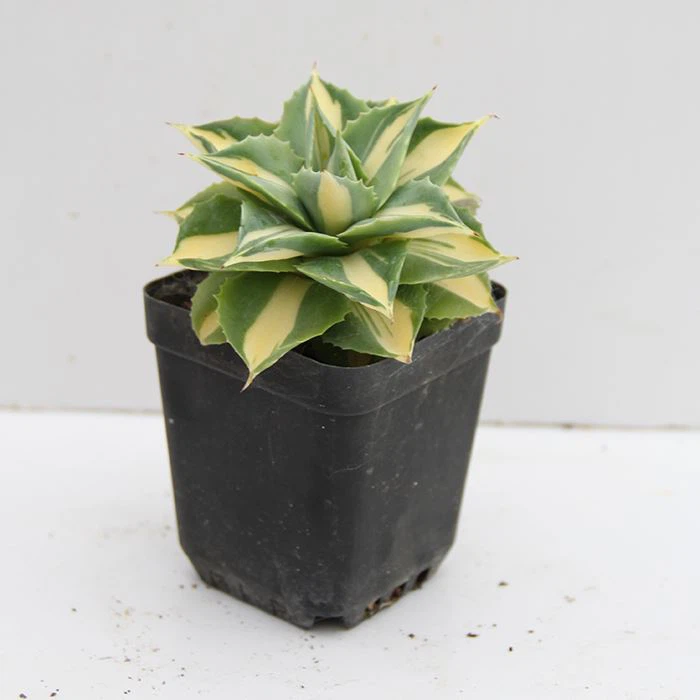
You can create a sandy or gravelly soil mix at home. Start with a base of regular potting soil and then add about 30 - 50% sand or small gravel. This will significantly improve the drainage of the soil. For example, if you're using a 10 - gallon bag of potting soil, add 3 - 5 gallons of sand or gravel.
pH Levels Matter
Agave plants prefer slightly acidic to neutral soil, with a pH range of about 6.0 to 7.5. You can test the pH of your soil using a simple soil testing kit, which you can find at most garden centers.
If your soil is too acidic, you can add some lime to raise the pH. On the other hand, if it's too alkaline, you can add sulfur to lower it. Maintaining the right pH level ensures that the agave can absorb all the nutrients it needs from the soil.
Organic Matter in Moderation
While agaves don't need a lot of organic matter, a small amount can be beneficial. Organic matter, such as compost or well - rotted manure, can help improve the soil structure and retain some moisture. However, too much organic matter can hold too much water, so it should be used sparingly.
A good rule of thumb is to add about 10 - 20% organic matter to your soil mix. This will provide some nutrients and help the soil hold a bit of moisture without becoming waterlogged.
Different Agave Varieties and Soil Preferences
Not all agaves have the exact same soil requirements. For instance, the Agave Isthmensis Cv. Hoi Raiz is a unique variety that can tolerate a slightly more diverse range of soil conditions compared to some other agaves. It still needs well - drained soil, but it can handle a bit more organic matter in the soil mix.
The Agave Isthmensis is also quite adaptable, but it thrives in a soil mix that is more on the sandy side. This variety is known for its hardiness and can grow in less - than - ideal soil conditions as long as the drainage is good.
The Agave 'Burnt Burgundy' has a preference for a soil mix that is well - drained and has a bit of a nutrient boost from the organic matter. It's a beautiful variety with striking foliage, and getting the soil right will help it reach its full potential.
Container Gardening and Soil
If you're growing agaves in containers, the soil requirements are a bit different. Containers tend to dry out faster than garden soil, so you need to choose a soil mix that can retain some moisture while still draining well.
A good container soil mix for agaves can be made by combining equal parts of potting soil, sand, and perlite. Perlite is a lightweight volcanic rock that helps with drainage and aeration. It also helps the soil retain a bit of moisture without becoming too wet.
Mulching for Agaves
Mulching can be a great addition to your agave's soil. A layer of mulch, such as gravel or small stones, can help keep the soil temperature stable and reduce evaporation. It also adds a decorative touch to your garden or container.
When mulching agaves, make sure to keep the mulch away from the base of the plant. This prevents moisture from accumulating around the stem, which can lead to rot.
Conclusion
So, to sum it up, the best soil for agave plants is well - drained, preferably sandy or gravelly, with a slightly acidic to neutral pH. A small amount of organic matter can be beneficial, but it should be used in moderation.
If you're interested in adding some amazing agave plants to your collection, I'm here to help. Whether you're a seasoned gardener or just starting out, I've got a wide variety of high - quality agaves available. Contact me to start a conversation about your agave needs, and let's create a beautiful agave - filled space together!
References
- "Succulents: The Complete Guide to Growing, Designing, and Crafting with 200 Amazing Varieties" by Debra Lee Baldwin
- "Agaves, Yuccas, and Related Plants: A Gardener's Guide" by Greg Starr