

Dracaena plants are a popular choice among plant enthusiasts and interior decorators alike, thanks to their elegant appearance and relatively low maintenance requirements. As a dracaena plant supplier, I've had the privilege of working closely with these beautiful plants and have encountered various challenges, including dealing with common pests. In this blog post, I'll share my experiences and knowledge about the pests that often afflict dracaena plants, how to identify them, and the best ways to manage and prevent infestations.
Spider Mites
Spider mites are one of the most common pests that affect dracaena plants. These tiny arachnids are barely visible to the naked eye, but their presence can cause significant damage to the foliage. Spider mites feed on the sap of the plant, which can lead to yellowing, stippling, and eventually, leaf drop. You may also notice fine webbing on the undersides of the leaves or between the branches, which is a telltale sign of a spider mite infestation.
Identification: Look for small, speckled dots on the leaves, which are the result of the mites piercing the plant cells to feed. The webbing is another clear indicator. If you suspect spider mites, you can use a magnifying glass to get a closer look at the pests themselves. They are usually red, brown, or yellow in color and have eight legs.
Management and Prevention: To manage a spider mite infestation, start by isolating the affected plant to prevent the mites from spreading to other plants. You can then use a strong stream of water to wash the mites off the leaves. Repeat this process every few days until the infestation is under control. For more severe infestations, you may need to use an insecticidal soap or neem oil. These natural remedies are effective at killing spider mites without harming the plant. To prevent spider mites from returning, keep the humidity levels around the plant high, as spider mites thrive in dry conditions. You can also regularly inspect your plants for signs of infestation and take prompt action if you notice any problems.
Mealybugs
Mealybugs are another common pest that can cause problems for dracaena plants. These small, white, cottony insects feed on the sap of the plant and can cause stunted growth, yellowing leaves, and a general decline in the plant's health. Mealybugs are often found in clusters on the undersides of the leaves, in the leaf axils, or along the stems.
Identification: Look for white, cottony masses on the plant, which are the mealybugs themselves. You may also notice a sticky substance on the leaves, which is called honeydew. This is a byproduct of the mealybugs' feeding and can attract ants and other pests.
Management and Prevention: To manage a mealybug infestation, start by removing the visible mealybugs with a cotton swab dipped in rubbing alcohol. This will kill the bugs on contact. You can then use an insecticidal soap or neem oil to treat the plant and prevent further infestations. Be sure to cover all parts of the plant, including the undersides of the leaves and the leaf axils. To prevent mealybugs from returning, keep your plants clean and free of debris. You can also introduce natural predators, such as ladybugs or lacewings, to your garden or indoor space. These insects will feed on the mealybugs and help keep their populations in check.
Scale Insects
Scale insects are small, oval-shaped pests that attach themselves to the stems and leaves of dracaena plants. They have a hard, protective shell that makes them difficult to remove. Scale insects feed on the sap of the plant, which can cause yellowing, wilting, and leaf drop.
Identification: Look for small, brown or black bumps on the stems and leaves of the plant. These bumps are the scale insects themselves. You may also notice a sticky substance on the leaves, which is honeydew.
Management and Prevention: To manage a scale insect infestation, start by removing the visible scales with a soft brush or your fingernail. You can then use an insecticidal soap or neem oil to treat the plant and prevent further infestations. Be sure to cover all parts of the plant, including the undersides of the leaves and the leaf axils. To prevent scale insects from returning, keep your plants healthy and well-watered. You can also regularly inspect your plants for signs of infestation and take prompt action if you notice any problems.
Aphids
Aphids are small, soft-bodied insects that feed on the sap of dracaena plants. They can cause stunted growth, yellowing leaves, and a general decline in the plant's health. Aphids are often found in clusters on the undersides of the leaves, in the leaf axils, or along the stems.
Identification: Look for small, green, yellow, or black insects on the plant. These are the aphids themselves. You may also notice a sticky substance on the leaves, which is honeydew.
Management and Prevention: To manage an aphid infestation, start by removing the visible aphids with a strong stream of water. You can then use an insecticidal soap or neem oil to treat the plant and prevent further infestations. Be sure to cover all parts of the plant, including the undersides of the leaves and the leaf axils. To prevent aphids from returning, keep your plants healthy and well-watered. You can also introduce natural predators, such as ladybugs or lacewings, to your garden or indoor space. These insects will feed on the aphids and help keep their populations in check.
Thrips
Thrips are tiny, slender insects that feed on the sap of dracaena plants. They can cause silvering or bronzing of the leaves, as well as distorted growth. Thrips are often found on the undersides of the leaves or in the flowers.
Identification: Look for small, black or brown insects on the plant. These are the thrips themselves. You may also notice silver or bronze streaks on the leaves, which are the result of the thrips' feeding.
Management and Prevention: To manage a thrip infestation, start by removing the affected leaves and flowers. You can then use an insecticidal soap or neem oil to treat the plant and prevent further infestations. Be sure to cover all parts of the plant, including the undersides of the leaves and the leaf axils. To prevent thrips from returning, keep your plants clean and free of debris. You can also use yellow or blue sticky traps to catch the thrips.

Conclusion
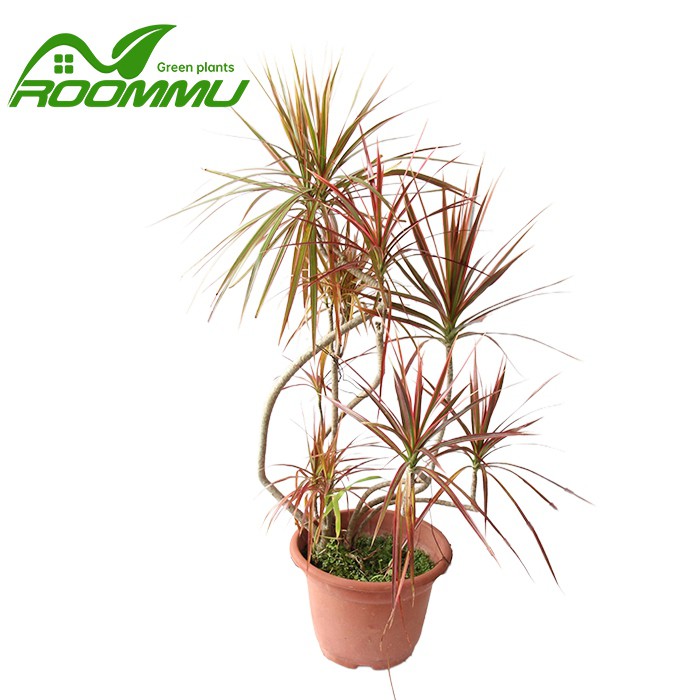
As a dracaena plant supplier, I understand the importance of keeping these beautiful plants healthy and pest-free. By being aware of the common pests that affect dracaena plants and taking proactive measures to prevent and manage infestations, you can ensure that your plants thrive. If you're interested in purchasing dracaena plants, including the stunning Dracaena Bicolor Braided Plant, I encourage you to reach out to me for more information. I'm always happy to help you find the perfect plants for your needs and provide you with the guidance and support you need to keep them healthy.
References
- University of Florida IFAS Extension. (n.d.). Common Houseplant Pests. Retrieved from [URL]
- Missouri Botanical Garden. (n.d.). Pests and Diseases of Dracaena. Retrieved from [URL]
- Royal Horticultural Society. (n.d.). Pests and Diseases of Indoor Plants. Retrieved from [URL]