

Cacti are some of the most fascinating plants in the world, known for their unique shapes, resilience, and ability to thrive in harsh environments. Among cacti, columnar cacti stand out with their tall, slender forms that can reach impressive heights. As a supplier of columnar cacti, I often get asked about how tall these cacti columns can grow. In this blog, we'll explore the factors that influence the height of columnar cacti and look at some of the tallest species in the world.
Factors Affecting the Height of Columnar Cacti
The height a columnar cactus can reach is determined by a combination of genetic and environmental factors. Let's take a closer look at each of these elements.
Genetic Factors
Genetics play a fundamental role in determining the potential height of a columnar cactus. Different species have evolved with specific growth patterns and maximum heights. For example, the Saguaro cactus (Carnegiea gigantea), native to the Sonoran Desert in the southwestern United States and northwestern Mexico, is known for its towering stature. It can grow up to 40 - 60 feet (12 - 18 meters) tall under ideal conditions. This is a genetic trait that has developed over thousands of years of adaptation to its environment.
On the other hand, some smaller columnar cacti species, like the Echinocereus Ferreirianus, have a more modest growth potential. This species typically reaches a height of only a few feet, usually between 1 - 3 feet (0.3 - 0.9 meters). Its genetic makeup limits its growth to a more compact form, which is well - suited to its native habitat.
Environmental Factors
The environment in which a columnar cactus grows has a significant impact on its actual height. Here are some of the key environmental factors:
Climate
Columnar cacti are native to arid and semi - arid regions around the world. They are adapted to long periods of drought and intense sunlight. In regions with a more favorable climate, where there is an appropriate balance of sunlight, temperature, and rainfall, cacti are more likely to reach their maximum genetic height.
For instance, in the Sonoran Desert, the Saguaro cactus benefits from the long, hot summers and mild winters. The abundant sunlight provides the energy needed for photosynthesis, which is essential for growth. However, if a Saguaro cactus is planted in a region with a colder or wetter climate, it may not grow as tall or may even struggle to survive.
Soil Conditions
The type of soil in which a columnar cactus grows is crucial. Cacti prefer well - drained soil that allows their roots to access oxygen and prevents waterlogging. In their natural habitats, columnar cacti often grow in sandy or rocky soils. These soils drain quickly, reducing the risk of root rot.
If the soil is too dense or retains too much water, the cactus's growth can be stunted. For example, if a columnar cactus is planted in heavy clay soil, the roots may not be able to expand properly, limiting the plant's overall growth and height.
Competition for Resources
In the wild, columnar cacti have to compete with other plants for resources such as water, sunlight, and nutrients. If a cactus is surrounded by other large plants that shade it or take up most of the available water, its growth may be restricted.
In a cultivated environment, we can control the competition for resources more effectively. By providing adequate spacing between cacti and ensuring proper watering and fertilization, we can help the cacti reach their optimal height.
Some of the Tallest Columnar Cacti Species
Now, let's take a look at some of the tallest columnar cacti species in the world.
Carnegiea gigantea (Saguaro Cactus)
As mentioned earlier, the Saguaro cactus is one of the most iconic and tallest columnar cacti. It can take up to 75 years to grow its first arm and can live for over 150 years. The Saguaro's height is not only a result of its genetic potential but also its ability to store large amounts of water in its thick, fleshy stem. This water storage allows the cactus to survive long periods of drought and continue growing.
Pachycereus pringlei (Cardón Cactus)
The Cardón cactus is native to the Baja California Peninsula in Mexico. It is one of the tallest cacti in the world, often reaching heights of 60 - 70 feet (18 - 21 meters). Like the Saguaro, the Cardón has a thick, columnar stem that can store water. Its tall stature allows it to capture more sunlight in the desert environment.
Oreocereus Doelzianus
This species is native to the high - altitude regions of the Andes in South America. While it may not reach the extreme heights of the Saguaro or Cardón, it can still grow to be quite tall, typically reaching 6 - 10 feet (1.8 - 3 meters). The Oreocereus Doelzianus has a unique appearance, with long, white hairs covering its stem, which help protect it from the intense sunlight and cold temperatures in its native habitat.
Growing Columnar Cacti to Their Maximum Height in Cultivation
If you're interested in growing columnar cacti to their maximum height, there are several things you can do.
Provide the Right Environment
As we've discussed, climate and soil are crucial. Try to mimic the natural environment of the cactus species you're growing. If you live in a region with a cold climate, you may need to grow the cacti in a greenhouse to protect them from frost.
Use well - drained soil and make sure the cactus has enough space to grow. Avoid overcrowding, as this can limit the plant's access to sunlight and nutrients.
Watering and Fertilization
Columnar cacti are adapted to survive in dry conditions, so they don't need a lot of water. Water sparingly, allowing the soil to dry out completely between waterings. During the growing season (usually spring and summer), you can fertilize the cactus with a balanced, low - nitrogen fertilizer to promote healthy growth.
As a Columnar Cactus Supplier
As a supplier of columnar cacti, I understand the importance of providing high - quality plants that have the potential to reach their maximum height. We carefully select our cacti from reliable sources and ensure that they are grown in optimal conditions.
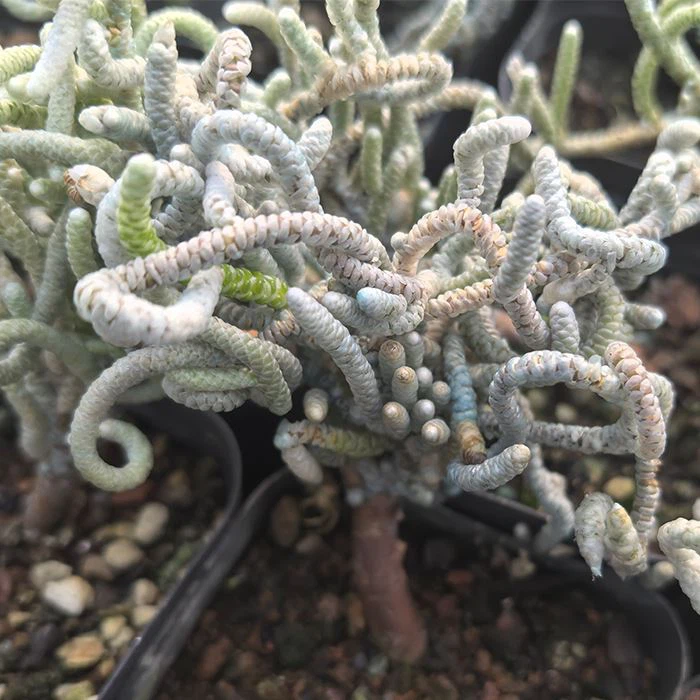
Whether you're a collector looking for rare and unique columnar cacti like the Anacampseros Papyracea or a landscaper in need of large, mature specimens, we have a wide range of options available. Our team of experts can also provide you with advice on how to care for your cacti to ensure they grow to their full potential.

If you're interested in purchasing columnar cacti for your collection or project, don't hesitate to contact us for a procurement discussion. We're committed to providing you with the best products and service to meet your needs.
References
- Benson, L. (1982). The Cacti of the United States and Canada. Stanford University Press.
- Gibson, A. C., & Nobel, P. S. (1986). The Cactus Primer. Harvard University Press.
- Anderson, E. F. (2001). The Cactus Family. Timber Press.