

Taking care of haworthia plant seedlings is a rewarding endeavor that requires a combination of knowledge, patience, and attention to detail. As a supplier of haworthia plants, I've had the privilege of witnessing the growth and development of these fascinating succulents from tiny seedlings to mature specimens. In this blog post, I'll share my insights and experiences on how to care for haworthia plant seedlings to ensure their healthy growth and longevity.
Understanding Haworthia Plant Seedlings
Haworthia is a genus of small, slow-growing succulents native to southern Africa. These plants are known for their attractive rosettes of fleshy leaves, which come in a variety of shapes, sizes, and colors. Haworthia seedlings are delicate and require special care to thrive. They are typically grown from seeds, which can take several weeks to germinate. Once the seedlings have emerged, they need to be carefully nurtured to ensure their survival.
Providing the Right Environment
One of the most important factors in caring for haworthia plant seedlings is providing them with the right environment. Haworthias prefer bright, indirect light, so it's best to place them near a window that receives plenty of sunlight but is not exposed to direct sunlight, especially during the hottest part of the day. Direct sunlight can scorch the delicate leaves of the seedlings, causing them to turn brown and die.
In addition to light, haworthia seedlings also need well-draining soil. A good potting mix for haworthias should be made up of a combination of sand, perlite, and peat moss. This type of soil allows water to drain quickly, preventing the roots from sitting in water and rotting. It's also important to choose a pot with drainage holes to ensure that excess water can escape.
Watering Haworthia Plant Seedlings
Watering is another crucial aspect of caring for haworthia plant seedlings. These plants are adapted to survive in arid conditions, so they don't need a lot of water. Overwatering can be one of the biggest mistakes when it comes to haworthia care, as it can lead to root rot and other problems.
When watering haworthia seedlings, it's important to wait until the soil is completely dry before watering again. You can check the moisture level of the soil by sticking your finger about an inch into the soil. If the soil feels dry, it's time to water. When watering, make sure to water the soil directly and avoid getting water on the leaves, as this can cause them to rot.
Fertilizing Haworthia Plant Seedlings
Fertilizing haworthia plant seedlings is not necessary, but it can help them grow faster and healthier. If you choose to fertilize your seedlings, use a balanced, water-soluble fertilizer that is specifically formulated for succulents. Dilute the fertilizer to half the recommended strength and apply it to the soil once a month during the growing season (spring and summer).

Protecting Haworthia Plant Seedlings from Pests and Diseases
Haworthia plant seedlings are generally resistant to pests and diseases, but they can still be affected by a few common problems. One of the most common pests that affect haworthias is mealybugs. These small, white insects feed on the sap of the plants, causing them to weaken and eventually die. To get rid of mealybugs, you can use a cotton swab dipped in rubbing alcohol to remove them from the leaves.
Another common problem that affects haworthias is root rot, which is caused by overwatering. To prevent root rot, make sure to water your seedlings only when the soil is completely dry and use a well-draining soil mix. If you notice any signs of root rot, such as yellowing leaves or a foul smell coming from the soil, remove the plant from the pot and cut away any infected roots. Repot the plant in fresh, well-draining soil and reduce watering.
Transplanting Haworthia Plant Seedlings
As haworthia plant seedlings grow, they will eventually need to be transplanted into larger pots. Transplanting should be done when the seedlings have outgrown their current pots or when the soil has become compacted. When transplanting, make sure to handle the seedlings gently to avoid damaging the roots.
To transplant a haworthia seedling, carefully remove it from its current pot and gently loosen the roots. Place the seedling in a new pot that is slightly larger than the old one and fill it with fresh, well-draining soil. Water the plant thoroughly and place it in a bright, indirect light location.
Different Types of Haworthia Plants
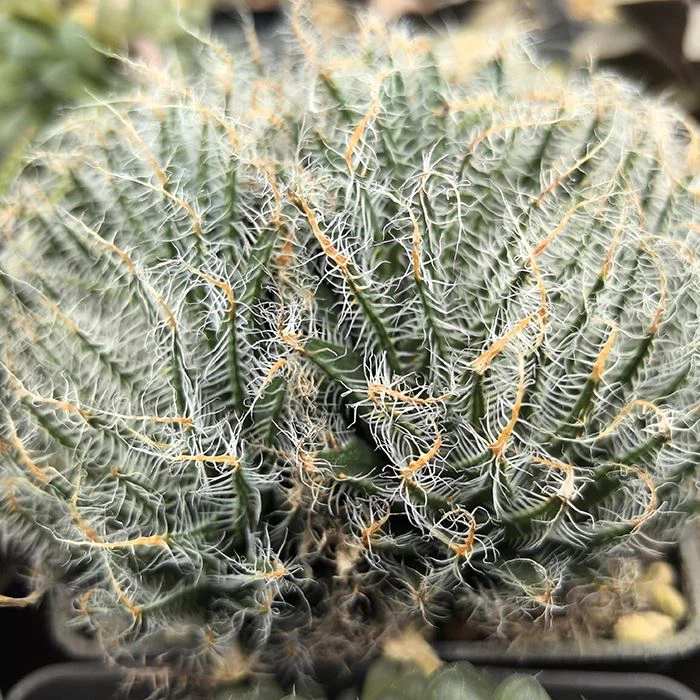
There are many different types of haworthia plants, each with its own unique characteristics and care requirements. Some of the most popular types of haworthia plants include Haworthia 'Royal Albert' Plant, Haworthiopsis Reinwardtii, and Haworthia Arachnoidea 'joubertii'. Each of these plants has its own specific needs when it comes to light, water, and soil, so it's important to do your research and understand the requirements of the specific type of haworthia you are growing.
Conclusion
Caring for haworthia plant seedlings can be a fun and rewarding experience. By providing them with the right environment, watering them properly, fertilizing them occasionally, and protecting them from pests and diseases, you can ensure that your seedlings grow into healthy, beautiful plants.
If you're interested in purchasing haworthia plants or seedlings for your collection, I invite you to contact me for more information. I'm a trusted supplier of high-quality haworthia plants, and I can provide you with expert advice on how to care for them. Whether you're a beginner or an experienced succulent enthusiast, I'm here to help you find the perfect haworthia plants for your needs.
References
- Smith, J. (2020). The Complete Guide to Growing Haworthia Plants. Gardening Today.
- Johnson, A. (2019). Caring for Succulents: A Beginner's Guide. Succulent World.
- Brown, C. (2018). Haworthia Plant Care Tips. Plant Lover's Journal.