

Can I visit a place with araucaria trees?
Araucaria trees are a fascinating group of conifers that have captured the imagination of botanists, nature enthusiasts, and gardeners alike. As a supplier of araucaria trees, I often get asked this question: Can I visit a place with araucaria trees? The answer is a resounding yes, and in this blog post, I'll explore some of the best places to see these magnificent trees in their natural habitat and why they are such a valuable addition to any landscape.
Natural Habitats of Araucaria Trees
Araucaria trees are native to the Southern Hemisphere, with different species found in regions such as South America, Australia, and New Caledonia. Each species has adapted to its specific environment, resulting in a diverse range of characteristics and appearances.
One of the most well - known species is the Araucaria araucana, also known as the Monkey Puzzle Tree. Native to the Andes mountains in Chile and Argentina, this tree has a distinctive spiky foliage and a unique branching pattern. Its name comes from the idea that it would puzzle a monkey to climb it. If you ever visit the national parks in southern Chile, such as Conguillío National Park, you'll be able to see these ancient trees standing tall, some of which are hundreds of years old.
In Australia, the Araucaria Cunninghamii 'Hoop Pine' is a prominent species. These trees are found in the rainforests of Queensland. The Hoop Pine gets its name from the distinctive hoops that form on the trunk as the bark peels away. They can grow to be very tall, reaching up to 60 meters in height. Visiting the Daintree Rainforest in Queensland is a great opportunity to witness these majestic trees in their natural setting. The rainforest provides a rich ecosystem where the Hoop Pine thrives alongside other unique plant and animal species.
New Caledonia is another hotspot for araucaria trees. The Araucaria columnaris, also called the Cook Pine, is native to this island. These trees have a very straight and columnar shape, making them a distinctive sight. The forests of New Caledonia offer a chance to see these trees in a relatively untouched environment, surrounded by other endemic flora and fauna.
Why Visit a Place with Araucaria Trees
Visiting a place with araucaria trees is not just a visual treat; it's an educational and ecological experience. From an educational perspective, seeing these trees in their natural habitat allows you to understand their growth patterns, how they interact with other species, and their role in the ecosystem. For example, in the rainforests where Araucaria Cunninghamii grows, they provide shelter and food for a variety of birds and insects. By observing these interactions, you can gain a deeper appreciation for the complexity of nature.

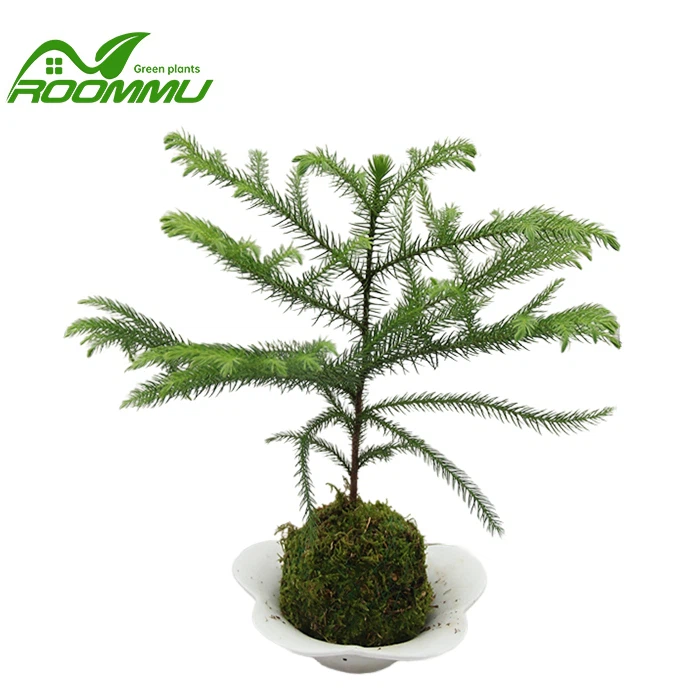
Ecologically, araucaria trees are often keystone species in their habitats. They help maintain the balance of the ecosystem by providing shade, preventing soil erosion, and contributing to the nutrient cycle. For instance, the fallen needles and cones of these trees decompose and enrich the soil, which in turn supports the growth of other plants.
Moreover, the aesthetic value of araucaria trees is undeniable. Their unique shapes and textures add a sense of grandeur to the landscapes they inhabit. Whether it's the spiky branches of the Monkey Puzzle Tree or the tall, straight trunks of the Cook Pine, these trees are a sight to behold.
Araucaria Trees in Cultivation
As a supplier of araucaria trees, I also understand the appeal of having these trees in a cultivated setting. Araucaria trees can be grown in gardens, parks, and even as indoor plants in some cases. However, it's important to note that different species have different requirements.
The Monkey Puzzle Tree, for example, prefers well - drained soil and a sunny location. It can tolerate cold temperatures to some extent, making it suitable for temperate climates. On the other hand, the Hoop Pine thrives in warm, humid conditions and requires a lot of space to grow due to its large size.
When you purchase araucaria trees from a supplier like me, you can get expert advice on how to care for them. I can provide information on the right soil type, watering schedule, and pruning techniques. Whether you're a professional landscaper looking to add a unique element to a project or a homeowner wanting to create a special garden, araucaria trees can be a great choice.
Conservation Efforts
Many araucaria tree species are facing threats in their natural habitats. Deforestation, climate change, and illegal logging are some of the major issues. For example, the Monkey Puzzle Tree is listed as endangered on the IUCN Red List. Conservation efforts are underway to protect these trees and their habitats.
When you visit a place with araucaria trees, you can also contribute to conservation. By supporting local conservation initiatives, such as national parks and nature reserves, you are helping to ensure the survival of these species for future generations. Some parks offer volunteer programs where you can participate in tree - planting or habitat restoration projects.
Visiting Tips
If you're planning to visit a place with araucaria trees, here are some tips to make your trip more enjoyable. First, do your research. Find out the best time of year to visit, as different regions have different climates and peak viewing seasons. For example, in the rainforests of Australia, the dry season (from May to October) is often a better time to visit as the trails are more accessible.
Second, make sure to bring appropriate gear. If you're going to a rainforest, waterproof clothing, sturdy shoes, and insect repellent are essential. In colder regions where the Monkey Puzzle Tree is found, warm layers are a must.
Finally, respect the environment. Follow the rules of the parks and nature reserves, stay on designated trails, and do not disturb the wildlife or the trees themselves.
Conclusion
In conclusion, yes, you can visit a place with araucaria trees, and it's an experience that is well worth it. Whether you're interested in the natural beauty, the ecological importance, or the educational value, these trees offer something for everyone.
As a supplier of araucaria trees, I'm passionate about sharing the beauty and wonder of these trees with others. If you're interested in purchasing araucaria trees for your own project, whether it's a small garden or a large - scale landscaping endeavor, I'd love to have a conversation with you. Contact me to discuss your needs, and we can explore how araucaria trees can enhance your space.
References
- IUCN Red List of Threatened Species
- "Trees of the Southern Hemisphere" by John Dawson
- Local tourism boards and conservation organizations for information on specific regions where araucaria trees are found.