

Can I grow multiple dracaena plants together in one pot?
As a dracaena plant supplier, I often get asked this question by both novice and experienced plant enthusiasts. The idea of growing multiple dracaena plants in a single pot is an appealing one, as it can create a lush, full - looking display. But is it a good idea? Let's delve into the details.
Advantages of growing multiple dracaena plants together
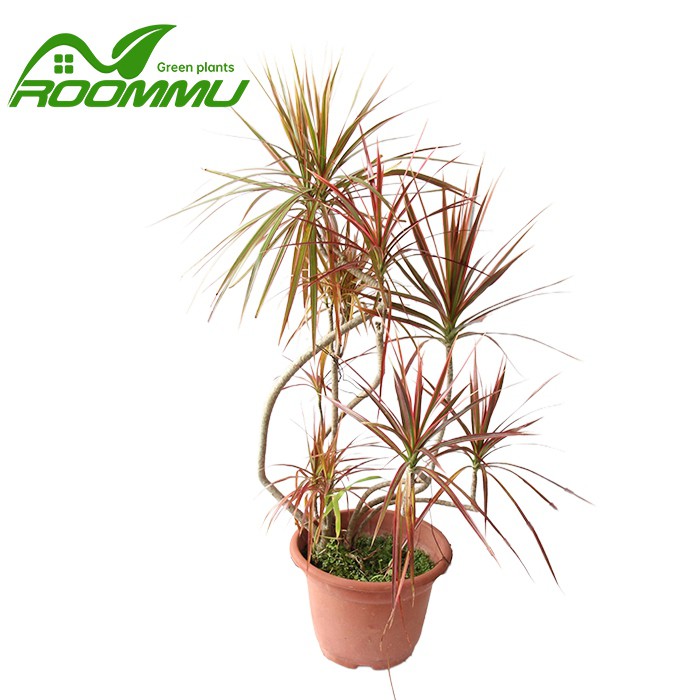
One of the primary benefits of growing multiple dracaena plants in one pot is the aesthetic appeal. A group of dracaena plants can form a more substantial and visually striking arrangement compared to a single plant. For instance, different varieties of dracaena, with their varying leaf shapes, colors, and textures, can be combined to create a beautiful and diverse display. A mix of plants with broad, dark - green leaves and those with narrow, variegated leaves can add a dynamic element to any indoor or outdoor space.
Another advantage is the sense of community that the plants can form. In nature, many plants grow in close proximity to one another. When multiple dracaena plants are grown together, they can create a micro - environment that may be more favorable for growth. The combined foliage can help to maintain a more consistent level of humidity around the plants, which is beneficial as dracaena plants generally prefer a relatively humid environment.

Disadvantages of growing multiple dracaena plants together
However, there are also several potential drawbacks to consider. Space is a major concern. Dracaena plants have roots that need room to spread out and grow. When multiple plants are placed in a single pot, the roots can become crowded over time. This root congestion can lead to stunted growth, as the plants may not be able to access enough nutrients and water from the soil. The lack of space can also cause the roots to become tangled, making it difficult to separate the plants if needed in the future.
Competition for resources is another issue. Each dracaena plant in the pot will be vying for the same limited supply of water, nutrients, and sunlight. If one plant is more aggressive in taking up these resources, it may out - compete the others, leading to uneven growth or even the decline of some plants. For example, a larger, more established dracaena plant may shade smaller ones, preventing them from getting enough sunlight for photosynthesis.
Disease and pest management can also be more challenging when multiple plants are grown together. If one plant becomes infected with a disease or infested with pests, it can quickly spread to the other plants in the pot due to their close proximity. This can make it harder to isolate and treat the problem, potentially leading to the loss of the entire group of plants.
Considerations for successful co - planting
If you still decide to grow multiple dracaena plants in one pot, there are several important considerations to keep in mind.
Pot size: Choose a pot that is large enough to accommodate the future growth of all the plants. A general rule of thumb is to select a pot that is at least 2 - 3 inches wider in diameter than the combined root balls of the plants. This will give the roots enough space to spread and grow without becoming overly crowded.
Plant selection: Opt for dracaena varieties that have similar growth requirements. This includes factors such as light, water, and temperature preferences. For example, if you choose a variety that prefers bright, indirect light and another that can tolerate low - light conditions, it may be difficult to find the right balance for both plants. Some popular dracaena varieties that can be grown together include Dracaena marginata, Dracaena fragrans, and the Dracaena Bicolor Braided Plant. These varieties have relatively similar care needs and can complement each other well in a pot.
Soil and fertilization: Use a well - draining potting mix that is rich in organic matter. This will ensure that the roots have access to oxygen and that excess water can drain away easily. Fertilize the plants regularly, but be careful not to over - fertilize. Too much fertilizer can lead to salt buildup in the soil, which can damage the roots. A balanced, slow - release fertilizer is often a good choice for dracaena plants.
Maintenance: Regularly monitor the plants for signs of stress, such as yellowing leaves, wilting, or stunted growth. Prune the plants as needed to remove any dead or damaged foliage and to maintain their shape. Check for pests and diseases regularly and take appropriate action if any problems are detected.
Our role as a dracaena plant supplier
As a dracaena plant supplier, we understand the challenges and rewards of growing these beautiful plants. We offer a wide variety of dracaena plants, including the ones mentioned above, and can provide you with all the information you need to care for them. Whether you are looking to grow a single plant or multiple plants in one pot, we can help you make the right choices.
Our team of experts is always available to answer your questions and offer advice on plant selection, potting, and maintenance. We source our plants from the best growers and ensure that they are healthy and of the highest quality. We also provide detailed care instructions with each plant, so you can be confident that you are giving your dracaena plants the best possible care.
Contact us for procurement
If you are interested in purchasing dracaena plants for your home, office, or commercial space, we invite you to contact us for procurement. We can work with you to determine the best plants for your needs and provide you with a competitive quote. Whether you are a small - scale buyer or a large - scale landscaper, we are committed to providing you with excellent service and high - quality plants.
In conclusion, growing multiple dracaena plants in one pot can be a rewarding experience if done correctly. By considering the factors mentioned above and seeking the advice of experts, you can create a beautiful and thriving display of dracaena plants.
References
- "The Complete Guide to Houseplants" by a well - known horticulturist.
- Various research papers on plant growth and competition in pot - grown environments.