

Can hoya plants be trained to grow in a certain shape?
As a hoya plant supplier, I've received numerous inquiries from plant enthusiasts about the possibility of training hoya plants to grow in specific shapes. Hoyas, also known as wax plants, are beloved for their unique foliage and beautiful, often fragrant flowers. Their vining nature makes them an interesting candidate for shaping, but is it really achievable? Let's delve into the science and practicality of training hoya plants.
Understanding Hoya Growth Patterns
Before attempting to train a hoya plant, it's crucial to understand its natural growth habits. Hoyas are typically vining plants that can grow quite long if left unchecked. They produce tendrils that reach out in search of support, which they use to climb and spread. Some hoyas, like the Hoya carnosa, have long, flexible stems that can be easily manipulated, while others may have more rigid or brittle growth.
The growth rate of hoyas can vary depending on the species, environmental conditions, and care they receive. In general, hoyas are relatively slow - growing plants, which means that any shaping process will require patience. For example, a young hoya plant may take several months or even years to reach a size where it can be effectively trained.
Techniques for Training Hoyas
Staking and Support
One of the most common methods for training hoyas is to use stakes or supports. This is especially useful for hoyas that have a tendency to grow upright or need help climbing. You can use bamboo stakes, trellises, or wire frames to guide the plant's growth.
When using stakes, gently tie the hoya stems to the support using soft ties, such as plant - friendly twine or velcro plant ties. Avoid tying the stems too tightly, as this can damage the plant. As the hoya grows, you may need to adjust the ties and re - position the stems to ensure they are growing in the desired direction.
Pruning
Pruning is another important technique for shaping hoyas. By selectively removing certain stems or branches, you can encourage the plant to grow in a more compact or specific shape. Pruning also helps to maintain the plant's health by removing dead or diseased growth.
When pruning hoyas, use sharp, clean pruning shears. Make cuts just above a leaf node, as this will encourage new growth to emerge from that point. For example, if you want to create a bushier hoya, you can pinch back the tips of the stems to promote lateral branching.
Twining and Wrapping
For hoyas with long, flexible stems, twining and wrapping can be an effective way to create interesting shapes. You can twine the stems around a circular frame to create a hoop shape or wrap them around a spiral trellis. This technique requires some patience, as you need to carefully guide the stems as they grow.
It's important to note that hoyas have a natural tendency to grow towards light. So, when training them, make sure to rotate the plant regularly to ensure even growth on all sides.
Examples of Shaped Hoyas
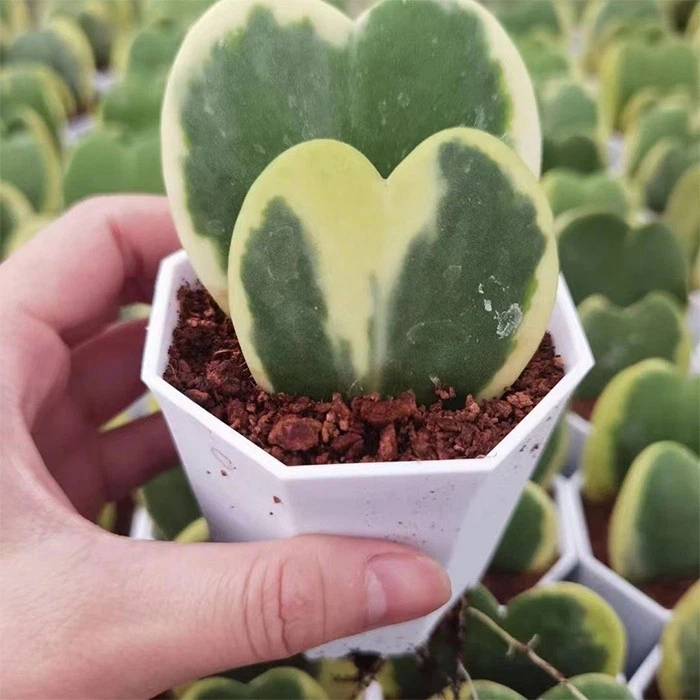
One of the most popular shaped hoyas is the Hoya Kerrii Heart. This hoya is known for its heart - shaped leaves, and it can be trained to grow in a way that emphasizes its unique foliage. By using a small trellis or support, you can encourage the Hoya Kerrii to grow in an upright or cascading manner, depending on your preference.
Another example is the Hoya carnosa, which can be trained to grow into a topiary shape. With careful pruning and training, you can create a spherical or cone - shaped hoya that adds a touch of elegance to any space.
Challenges in Training Hoyas
While it is possible to train hoyas to grow in a certain shape, there are some challenges to be aware of. As mentioned earlier, hoyas are slow - growing plants, so the shaping process can take a long time. It requires consistent care and attention over an extended period.
Hoyas also have their own natural growth tendencies, and sometimes they may resist being shaped. For example, if a hoya is used to growing in a particular direction, it may be difficult to redirect its growth. Additionally, improper training techniques, such as over - pruning or tying the stems too tightly, can cause damage to the plant.
Environmental Factors
The environment in which the hoya is grown also plays a significant role in its ability to be shaped. Hoyas prefer bright, indirect light. Insufficient light can cause the plant to grow leggy and weak, making it more difficult to train. On the other hand, too much direct sunlight can scorch the leaves.
Temperature and humidity are also important. Hoyas thrive in warm, humid conditions. If the environment is too dry, the plant may experience stress, which can affect its growth and ability to be shaped. Maintaining a consistent temperature and humidity level is essential for successful hoya training.

Conclusion
In conclusion, yes, hoya plants can be trained to grow in a certain shape. With a good understanding of their growth patterns, the right techniques, and patience, you can create unique and beautiful shaped hoyas. Whether you're looking to create a cascading display, a topiary, or simply guide the plant to fit a specific space, it's definitely achievable.
As a hoya plant supplier, I'm passionate about helping customers bring out the best in their hoyas. If you're interested in purchasing hoyas for your shaping projects or have any questions about hoya care and training, I'd love to hear from you. Contact me to start a conversation about your procurement needs and let's work together to create a stunning hoya collection.
References
- "The Hoya Manual" by an unknown horticultural expert.
- Various online horticultural forums and blogs discussing hoya care and training.