

Hey there, plant lovers! I'm an araucaria tree supplier, and I've been getting a lot of questions lately about whether araucaria trees are suitable for bonsai. So, I thought I'd sit down and share my thoughts on this topic.
First off, let's talk a bit about araucaria trees. There are several species of araucaria, but one of the most well - known is the Araucaria Cunninghamii 'Hoop Pine' [Araucaria Cunninghamii 'Hoop Pine']. This tree is native to Australia and some parts of the South Pacific. It's a tall, stately tree in its natural habitat, often reaching heights of over 50 meters. It has a distinctive conical shape and beautiful, scale - like leaves.
Now, when it comes to bonsai, the idea is to create a miniature version of a full - grown tree. Bonsai artists use techniques like pruning, wiring, and root trimming to shape the tree and keep it small. So, are araucaria trees up for the bonsai challenge?
Advantages of Using Araucaria Trees for Bonsai
Aesthetic Appeal
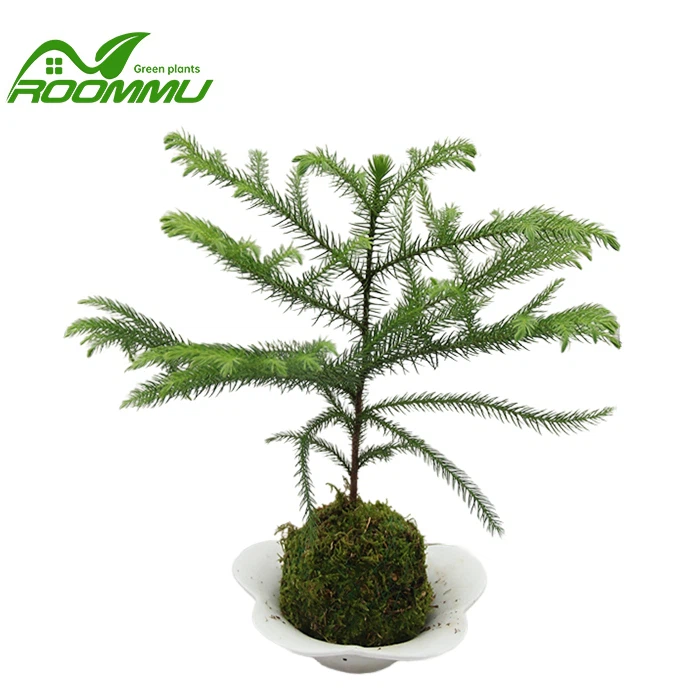
Araucaria trees have a unique and exotic look. Their conical shape can be quite eye - catching when miniaturized as a bonsai. The scale - like leaves give them a texture that's different from many other common bonsai trees. If you're looking for something that stands out in your bonsai collection, an araucaria bonsai could be a great choice. It can add a touch of the tropics to your indoor or outdoor space.
Adaptability
Araucaria trees are relatively adaptable. They can tolerate a range of light conditions, from partial shade to full sun. Of course, like any plant, they have their preferences. In the wild, they grow in areas with plenty of sunlight, but they can also do well in a more shaded environment when grown as a bonsai. This adaptability makes them a bit more forgiving for beginner bonsai enthusiasts.
Long - Term Growth
These trees have a slow - to - moderate growth rate. While this might seem like a drawback at first, it's actually an advantage for bonsai. With a slow - growing tree, you don't have to worry about constant and extensive pruning to keep it in shape. You can take your time to develop the tree's form and enjoy watching it mature over the years.
Challenges of Using Araucaria Trees for Bonsai
Size and Growth Habit
In the wild, araucaria trees grow very tall. Even when trying to keep them as bonsai, they have a natural tendency to grow upwards. This can make it a bit tricky to achieve the traditional low - lying, spreading shapes that are common in many bonsai styles. You'll need to be extra careful with pruning and wiring to encourage a more compact and bonsai - friendly shape.
Root System
Araucaria trees have a relatively large and deep - reaching root system. When you're trying to keep them in a small bonsai pot, the roots can quickly become root - bound. This can lead to problems with water and nutrient uptake, and it can also stunt the tree's growth. Regular root pruning is essential, but it can be a delicate process. If you're not careful, you can damage the roots and harm the tree.
Climate Requirements
While they are adaptable, araucaria trees do prefer a relatively warm and humid climate. If you live in an area with cold winters or very dry air, you'll need to take extra steps to keep your araucaria bonsai healthy. For example, you might need to use a humidifier indoors during the winter months or move the tree to a more sheltered location.
Care Tips for Araucaria Bonsai
Watering
Proper watering is crucial for araucaria bonsai. You don't want to over - water or under - water them. The soil should be kept slightly moist but not waterlogged. A good way to check is to stick your finger about an inch into the soil. If it feels dry, it's time to water. During the growing season, you'll likely need to water more frequently than in the winter.
Pruning
As I mentioned earlier, pruning is key to maintaining the shape of your araucaria bonsai. You can prune both the branches and the roots. When pruning the branches, focus on removing any dead, diseased, or over - growing branches. For root pruning, it's best to do it during the tree's dormant period. This will give the tree time to recover and grow new roots.
Fertilizing
Araucaria bonsai need regular fertilizing to stay healthy. Use a balanced, slow - release fertilizer during the growing season. You can reduce the frequency of fertilizing in the winter when the tree's growth slows down.

Wiring
Wiring can be used to shape the branches of your araucaria bonsai. However, be careful not to wire too tightly, as the branches can be brittle. Leave the wire on for a few months, but keep an eye on the tree's growth. If the wire starts to cut into the bark, it's time to remove it.
My Experience as a Supplier
Over the years, I've seen a growing interest in araucaria bonsai. I've sold many araucaria trees to bonsai enthusiasts, and I've had some great feedback. Some customers have been very successful in creating beautiful araucaria bonsai, while others have faced challenges. I always try to provide my customers with as much information as possible about the care and cultivation of these trees.
I've also noticed that more and more people are looking for unique and less - common bonsai trees. Araucaria trees fit the bill perfectly. They offer something different from the traditional maple or juniper bonsai.
If you're thinking about trying your hand at an araucaria bonsai, I'd say go for it! It's a rewarding experience, but it does come with its challenges. With a bit of patience and the right care, you can create a stunning araucaria bonsai that will be the envy of your friends.
Contact for Procurement
If you're interested in purchasing araucaria trees for your bonsai project or for any other purpose, I'd love to hear from you. Whether you're a beginner or an experienced bonsai artist, I can provide you with healthy and high - quality araucaria trees. Feel free to reach out to me to start a conversation about your needs and preferences. Let's work together to bring the beauty of araucaria trees into your life.
References
- "Bonsai Basics: A Guide to Growing and Caring for Bonsai Trees" by John Smith
- "The World of Araucaria Trees" by Jane Doe