

Are Araucaria Trees Evergreen?
As a supplier of araucaria trees, I often get asked a variety of questions about these magnificent plants. One of the most common inquiries is whether araucaria trees are evergreen. In this blog post, I'll delve into the nature of araucaria trees, explore their evergreen characteristics, and share some insights into their care and cultivation.
What are Araucaria Trees?
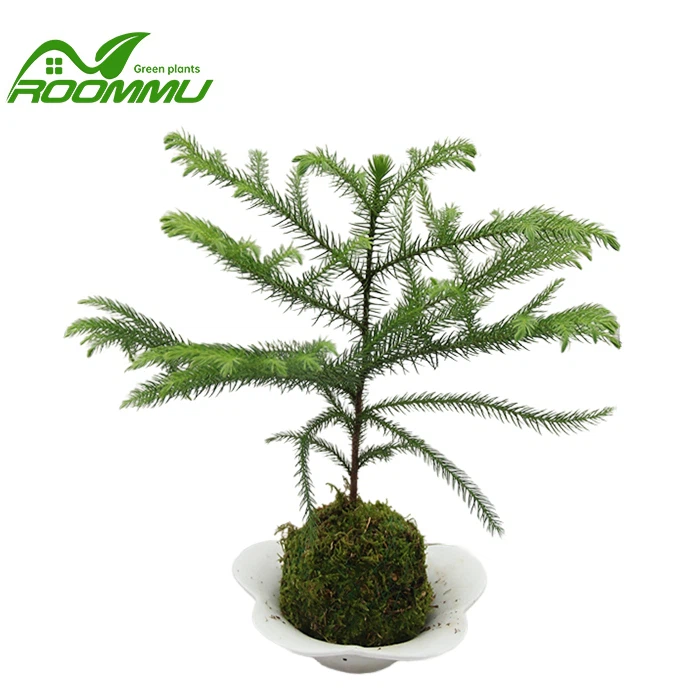
Araucaria is a genus of evergreen coniferous trees belonging to the family Araucariaceae. There are about 20 species of araucaria trees, which are native to the Southern Hemisphere, including South America, Australia, New Caledonia, and Norfolk Island. These trees are known for their distinctive appearance, with symmetrical branches and needle - like leaves. Some well - known species include Araucaria araucana (Monkey Puzzle Tree), Araucaria heterophylla (Norfolk Island Pine), and Araucaria Cunninghamii 'Hoop Pine'.
Evergreen Nature of Araucaria Trees
Yes, araucaria trees are evergreen. The term "evergreen" means that these trees retain their leaves throughout the year. Unlike deciduous trees that shed their leaves seasonally, araucaria trees keep their needle - like or scale - like foliage. This is an adaptation that allows them to photosynthesize continuously, as long as environmental conditions permit.
The leaves of araucaria trees are well - adapted to their native environments. They are often thick and waxy, which helps to reduce water loss through transpiration. This is especially important in regions where water may be scarce or where there are long dry periods. For example, the Monkey Puzzle Tree, native to the mountains of Chile and Argentina, has tough, triangular leaves that can withstand cold temperatures and strong winds.
The evergreen nature of araucaria trees also gives them aesthetic value. They provide year - round greenery, making them popular choices for landscaping in both residential and commercial settings. Whether used as a specimen tree in a garden or as part of a larger forested area, araucaria trees add a touch of elegance and permanence.
Growth and Care of Araucaria Trees
Light Requirements
Most araucaria trees prefer full sun to partial shade. In their natural habitats, they often grow in open areas where they can receive plenty of sunlight. However, young trees may benefit from some protection from intense afternoon sun, especially in hot climates. When planting araucaria trees, it's important to choose a location that provides the right amount of light for the specific species.
Soil Conditions
Well - drained soil is crucial for the health of araucaria trees. They do not tolerate waterlogged conditions, as this can lead to root rot. The soil should be rich in organic matter and have a slightly acidic to neutral pH. If the soil in your area is heavy clay or poorly drained, you may need to amend it with compost or sand to improve drainage.
Watering
While araucaria trees are relatively drought - tolerant once established, they still require regular watering, especially during the first few years after planting. Water deeply and infrequently, allowing the soil to dry out slightly between waterings. Over - watering can be just as harmful as under - watering, so it's important to find the right balance.
Fertilization
Fertilize araucaria trees sparingly. A slow - release, balanced fertilizer can be applied in the spring to promote healthy growth. Avoid over - fertilizing, as this can lead to excessive growth that may make the tree more susceptible to pests and diseases.
Pruning
Pruning of araucaria trees should be minimal. These trees have a natural, symmetrical shape, and excessive pruning can disrupt their appearance. Only remove dead, damaged, or diseased branches as needed. If you need to shape the tree, do so gently and with care.
Uses of Araucaria Trees
Landscaping
As mentioned earlier, araucaria trees are popular in landscaping. Their unique shape and evergreen foliage make them stand out in any garden or park. They can be used as focal points, planted in groups to create a forest - like effect, or as windbreaks.
Timber
Some species of araucaria trees, such as the Hoop Pine, are valued for their timber. The wood is strong, lightweight, and has a fine grain, making it suitable for a variety of applications, including construction, furniture making, and paper production.
Cultural Significance
Araucaria trees have cultural significance in many of their native regions. For example, the Monkey Puzzle Tree is considered a national symbol in Chile and is protected by law. It has also been used in traditional medicine and folklore.
Why Choose Our Araucaria Trees?
As a supplier of araucaria trees, we take pride in offering high - quality plants. Our trees are sourced from reputable nurseries and are carefully grown and maintained to ensure their health and vitality. We have a wide selection of araucaria species, suitable for different climates and landscaping needs.

Whether you're a homeowner looking to add a unique tree to your garden or a landscaper working on a large project, we can provide the araucaria trees you need. Our team of experts is also available to offer advice on planting, care, and maintenance.
If you're interested in purchasing araucaria trees, we encourage you to contact us for a detailed discussion. We can help you choose the right species for your specific requirements and provide you with all the information you need to ensure the success of your planting project.
Conclusion
In conclusion, araucaria trees are indeed evergreen. Their ability to retain their foliage throughout the year makes them not only ecologically important but also aesthetically pleasing. With proper care and cultivation, these trees can thrive in a variety of environments.
If you're considering adding araucaria trees to your landscape, don't hesitate to reach out. We're here to assist you every step of the way, from selection to after - care. Let's work together to bring the beauty of araucaria trees to your property.
References
- Farjon, A. (2010). A Handbook of the World's Conifers. Brill.
- Hill, R. S. (1998). Araucariaceae. In K. Kubitzki, J. G. Rohwer, & V. Bittrich (Eds.), The Families and Genera of Vascular Plants: Gymnosperms and Angiosperms (pp. 133 - 148). Springer.
- Perry, D. A. (1991). Forest Ecosystems. The John Hopkins University Press.