

Dracaena plants are a diverse group of foliage plants known for their striking appearance and adaptability. As a dracaena plant supplier, I've witnessed firsthand the transformative power these plants can have in various landscape settings. In this blog, I'll share some innovative landscape design ideas for utilizing dracaena plants to create visually stunning and sustainable outdoor and indoor environments.
Incorporating Dracaena in Outdoor Landscapes
Creating Focal Points
Dracaenas can serve as excellent focal points in garden beds or large containers. Their unique shapes, such as the upright growth of Dracaena Marginata or the arching leaves of Dracaena Reflexa, draw the eye and add drama to the landscape. For example, a single large Dracaena Marginata planted in the center of a circular flower bed surrounded by low - growing annuals can create a captivating centerpiece. The spiky foliage of Dracaena Marginata contrasts beautifully with the soft, rounded petals of flowers like petunias or marigolds.
Another option is to use a group of different dracaena varieties in a large, decorative container. Plant a mix of Dracaena Fragrans with its broad, variegated leaves and Dracaena Deremensis for its slender, upright form. This combination creates an interesting texture contrast and adds a touch of tropical elegance to a patio or entranceway. You can find a great example of a unique dracaena plant, the Dracaena Bicolor Braided Plant, which would make an eye - catching focal point in any outdoor setting.
Border Planting
Dracaenas can be used to define borders in a landscape. Their relatively slow - growing nature and consistent foliage make them ideal for creating a neat and tidy edge. For a formal look, plant a row of evenly spaced Dracaena Sanderiana along the edge of a walkway or garden bed. The vertical growth of these plants provides a clean line that guides the eye and adds a sense of order to the landscape.
In a more naturalistic setting, mix dracaenas with other native plants. For instance, combine Dracaena Cambodiana with native grasses and wildflowers. The grassy textures of the native plants complement the broad leaves of the dracaena, creating a harmonious transition between different areas of the landscape.
Tropical - Themed Gardens
Dracaenas are a staple in tropical - themed gardens. Their lush foliage and exotic appearance fit right into the style. To create a tropical oasis, plant dracaenas alongside other tropical plants such as bananas, palms, and elephant ears. Dracaena Cintho behaves well in the understory of the taller palm trees, adding a layer of greenery at a lower height.
Use a variety of dracaena species to add depth and interest. Group together plants with different leaf colors and shapes. For example, pair the red - edged leaves of Dracaena Marginata with the green - and - yellow striped leaves of Dracaena Fragrans. Add some colorful tropical flowers like hibiscus or bird - of - paradise for a true burst of color.
Utilizing Dracaena in Indoor Landscapes
Office Spaces
In office settings, dracaenas are not only aesthetically pleasing but also have air - purifying properties. Place a few tall Dracaena Deremensis plants in the corners of a large open - plan office. Their upright growth doesn't take up much floor space, yet they add a touch of greenery that can make the workspace feel more inviting.
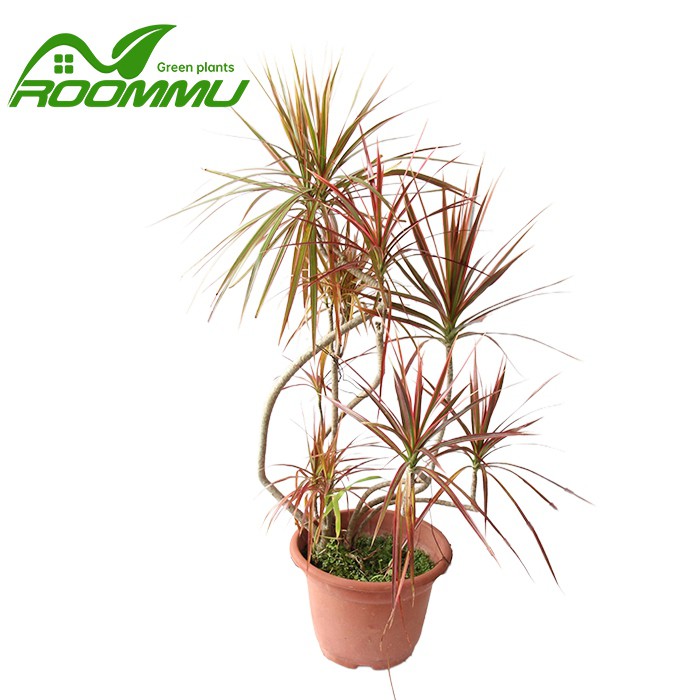

For individual offices or cubicles, smaller dracaena varieties like Dracaena Compacta can be placed on desks. These plants are easy to care for and can help reduce stress and improve air quality, which is beneficial for employee productivity.
Home Interiors
In living rooms, dracaenas can be used to create a cozy and natural atmosphere. A large Dracaena Fragrans placed in a decorative pot can become a statement piece in the room. It can be paired with other indoor plants like ferns and peace lilies to create a mini - indoor garden.
In bedrooms, dracaenas can contribute to a restful environment. Their ability to filter out pollutants and release oxygen at night makes them a great choice. Place a Dracaena Sanderiana on a nightstand or in a corner of the room. The soft, vertical foliage can add a sense of calm and tranquility.
Commercial Spaces
In lobbies of hotels, shopping malls, or restaurants, dracaenas can enhance the overall ambiance. A large arrangement of dracaenas in a grand, multi - tiered planter can greet visitors and create a memorable first impression. Their visual appeal can help set the tone for a high - end or tropical - themed establishment.
Design Considerations for Dracaena Placement
Light Requirements
Different dracaena varieties have different light needs. Some, like Dracaena Marginata, can tolerate bright, indirect light, while others, such as Dracaena Sanderiana, prefer lower light conditions. When designing a landscape, whether indoor or outdoor, it's crucial to consider the natural light available in the area. Place high - light - requiring dracaenas near windows or in areas with plenty of sunlight, and low - light varieties in shaded corners or areas with artificial lighting.
Soil and Drainage
Dracaenas thrive in well - drained soil. In outdoor landscapes, amend the soil with organic matter like compost to improve drainage. For indoor plants, use a quality potting mix specially formulated for tropical plants. Make sure containers have drainage holes to prevent waterlogging, which can lead to root rot.
Maintenance
Dracaenas are relatively low - maintenance plants, but they still require some care. Regular pruning can help maintain their shape and appearance. Remove any yellow or dead leaves to keep the plant looking healthy. Fertilize dracaenas sparingly, especially during the growing season. Over - fertilizing can cause salt buildup in the soil, which can damage the plants.
Sustainability Considerations
Using dracaenas in landscape design can also contribute to sustainability. These plants are known for their ability to absorb pollutants and improve air quality. In an indoor environment, they can help reduce the presence of harmful chemicals like formaldehyde and benzene.
In outdoor landscapes, dracaenas can be part of a xeriscape design. Once established, they are relatively drought - tolerant, which means less water consumption. By choosing native or well - adapted dracaena varieties, we can also support local ecosystems and reduce the need for excessive use of pesticides and fertilizers.
Conclusion
Dracaena plants offer a wide range of possibilities for landscape design. Whether you're looking to create a stunning outdoor garden, a relaxing indoor space, or a welcoming commercial environment, dracaenas can be a valuable addition. Their unique appearance, air - purifying properties, and adaptability make them a versatile choice for any design project.
If you're interested in incorporating dracaena plants into your landscape design, I'd love to discuss your specific needs. As a leading dracaena plant supplier, I can provide you with high - quality plants, expert advice on care and placement, and a variety of options to suit your style and budget. Contact me to start the conversation about your next landscape project.
References
- "The Encyclopedia of House Plants" - This comprehensive guide provides detailed information on different dracaena species, their care requirements, and potential uses in landscapes.
- "Landscape Design for Dummies" - Offers general design principles and practical tips that can be applied when using dracaenas in outdoor and indoor settings.
- "Journal of Environmental Horticulture" - Research articles in this journal cover various aspects of plant use in landscapes, including the role of dracaenas in improving air quality and their ecological impact.