

Hey there, plant lovers! As a supplier of dracaena plants, I've had my fair share of questions about what plants make good companions for these beauties. Dracaenas are not only stunning but also quite versatile, and finding the right plants to grow alongside them can create a harmonious and visually appealing indoor or outdoor garden. So, let's dive in and explore some compatible plants for your dracaena!
First off, let's talk a bit about dracaenas. They come in various shapes, sizes, and colors, from the popular Dracaena marginata with its long, slender leaves to the Dracaena fragrans, known for its large, lush foliage. These plants are relatively low - maintenance, making them a favorite among both beginner and experienced gardeners. They can tolerate a range of light conditions, although they generally prefer bright, indirect light.
One great plant to pair with dracaenas is the pothos. Pothos, also known as Devil's Ivy, is a trailing vine that adds a touch of elegance to any plant arrangement. It has heart - shaped leaves that come in different shades of green, sometimes with variegation. Pothos is extremely hardy and can thrive in similar conditions as dracaenas. It can tolerate low light, although it will grow faster and more vigorously in brighter light. Just like dracaenas, pothos doesn't like to sit in waterlogged soil, so well - draining soil is a must for both. You can place a pothos in a hanging basket above your dracaena, allowing its vines to cascade down and create a beautiful contrast with the upright dracaena leaves.
Another excellent companion is the snake plant, or Sansevieria. Snake plants are known for their tough, sword - shaped leaves that stand upright. They are incredibly resilient and can survive in low - light environments, making them a great match for dracaenas that can also adapt to less light. Snake plants are also very drought - tolerant, just like dracaenas. They don't need frequent watering, which means you can water both plants at the same time without worrying about over - or under - watering. Having a snake plant next to your dracaena can add a different texture and height to your plant display.
Ferns are also a good option to grow with dracaenas. Boston ferns, for example, have delicate, feathery fronds that create a soft and airy look. Ferns prefer higher humidity levels, and while dracaenas can tolerate average humidity, you can create a micro - environment that benefits both. Placing a tray of water near the plants or using a humidifier can help maintain the humidity. Ferns like bright, indirect light, which is similar to what dracaenas need. The contrast between the fern's soft foliage and the dracaena's more rigid leaves makes for an interesting visual combination.
If you're looking for a colorful addition, consider calathea plants. Calatheas are known for their vibrant, patterned leaves. They come in a variety of colors and patterns, from stripes to dots. These plants prefer similar conditions as dracaenas in terms of light (bright, indirect) and humidity. However, calatheas are a bit more sensitive to watering. They like consistently moist soil, but not waterlogged. You can be a bit more careful when watering a calathea - dracaena combo, making sure the dracaena doesn't get over - watered while keeping the calathea happy.
Now, let's talk about some outdoor - compatible plants if you're growing your dracaena outside. Hostas are a great choice. Hostas have large, broad leaves that come in different shades of green, blue, and variegated colors. They prefer partial shade, which is similar to the light requirements of some dracaena varieties. Hostas also like moist, well - drained soil, and they can add a lot of volume and texture to your outdoor dracaena garden.
Heucheras, or coral bells, are another option. These plants have colorful foliage that can range from deep purple to bright lime green. They are relatively low - growing and can be planted around the base of a dracaena to create a border. Heucheras do well in partial shade and well - drained soil, making them a good companion for dracaenas in an outdoor setting.
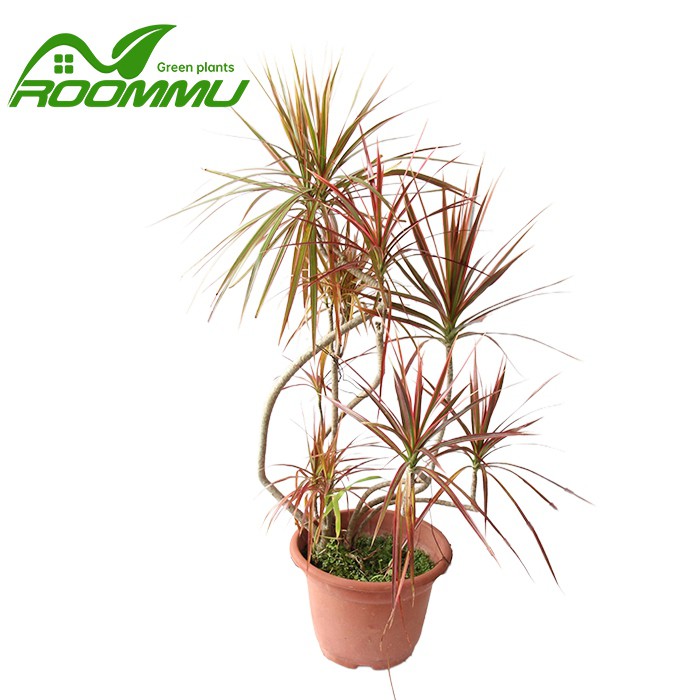
One of my personal favorites to pair with dracaenas is the Dracaena Bicolor Braided Plant. This unique dracaena variety has a braided trunk and beautiful bicolor leaves. When you group it with other dracaena species or different compatible plants, it can create a stunning focal point in your garden. The braided trunk adds an interesting architectural element, and the bicolor leaves provide a pop of color.

When choosing compatible plants for your dracaena, it's important to consider their light, water, and soil requirements. Make sure all the plants in your arrangement have similar needs so that you can take care of them easily. Also, think about the visual appeal. Mixing different textures, heights, and colors can make your plant display more interesting and eye - catching.
If you're interested in adding some dracaenas or their compatible plants to your collection, I'd love to hear from you. Whether you're a home gardener looking to spruce up your living space or a business owner in need of some greenery for your office, I can provide high - quality plants at great prices. Just reach out to me, and we can start a conversation about your plant needs.
References
- "Houseplants for Dummies" by Kathy Huber
- "The New Encyclopedia of House Plants" by DK Publishing