

Hey there! As a supplier of araucaria trees, I often get asked all sorts of questions about these fascinating plants. One question that pops up quite a bit is, "Is araucaria tree bark smooth or rough?" Well, let's dive right in and explore this topic.
First off, it's important to note that there are different species of araucaria trees. Each species can have a bit of variation in its bark characteristics. One of the well - known types is the Araucaria Cunninghamii, also known as the 'Hoop Pine'. You can check out more detailed info about it Araucaria Cunninghamii 'Hoop Pine'.
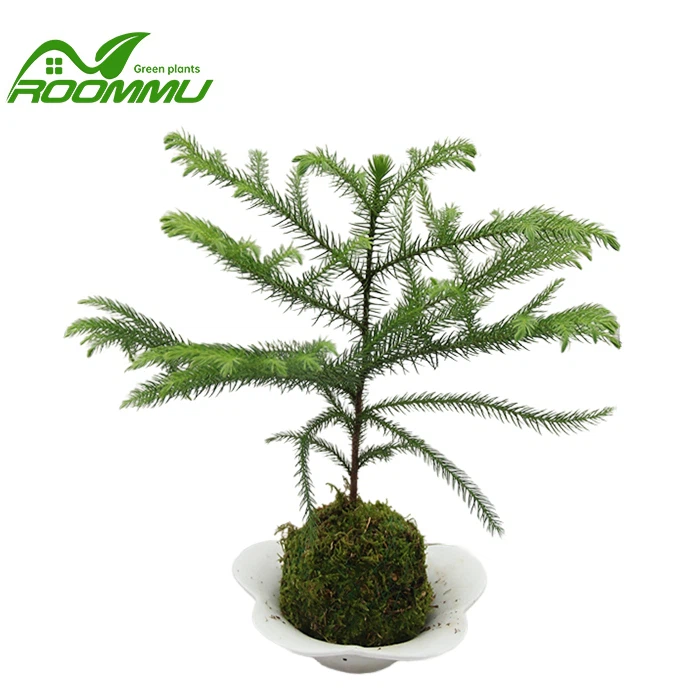
The bark of araucaria trees starts off looking quite different depending on the age of the tree. When araucaria trees are young, their bark tends to be relatively smooth. It has this kind of sleek appearance that's almost like a polished surface. This smooth bark serves a few purposes. For starters, it helps protect the young and tender trunk from minor scratches and abrasions. It's also a bit tougher than you might think at first glance, acting as a shield against small pests and diseases that might try to sneak in.
But as the araucaria tree grows older, things start to change. The bark begins to develop a rough texture. It often forms these deep furrows and ridges. These rough features are not just for show. They actually play an important role in the tree's survival. The furrows and ridges increase the bark's surface area, which helps the tree in a couple of ways.

One of the main benefits of the rough bark on mature araucaria trees is its ability to regulate temperature. The ridges and furrows create small pockets of air within the bark. These air pockets act as insulators, keeping the tree's core temperature stable during hot or cold weather. Imagine it like a built - in thermal jacket for the tree!
Another advantage is moisture retention. The rough surface helps trap water from rain or humidity. This is especially important in areas where water can be scarce. The tree can then absorb this trapped moisture slowly over time, ensuring it has a steady supply of water.
Now, if you're thinking about using araucaria trees for landscaping or some other project, this bark characteristic can really matter. For example, if you're going for a modern, sleek look in your garden, young araucaria trees with their smooth bark could be a great choice. They'll add a touch of elegance and simplicity to your outdoor space.
On the other hand, if you're aiming for a more rustic or natural - looking landscape, the mature araucaria trees with their rough bark are the way to go. The rough texture adds a sense of age and character to the scene, making it feel like a part of a wild forest.
As a supplier, I've seen how different customers have unique needs when it comes to araucaria trees. Some are looking for that smooth - barked aesthetic for a new office park landscape. Others want the rough - barked charm for a large estate's forest - like border.
And let me tell you, taking care of these trees is crucial no matter which stage of bark development you're dealing with. For young trees with smooth bark, they need a good amount of sunlight and well - drained soil. You also have to be careful not to over - water them. Over - watering can lead to root rot, which is a big no - no for the health of the tree.
Mature trees with rough bark are a bit more resilient, but they still need some TLC. Pruning the dead branches is essential to keep the tree looking good and healthy. Also, keeping an eye out for any signs of pests or diseases that might be hiding in those furrows is important.
If you're in the market for araucaria trees, whether you're interested in the smooth - barked juveniles or the rough - barked elders, I'm here to help. I've got a wide selection of araucaria trees that are carefully nurtured to ensure they're in the best possible condition. Whether you're a landscape designer working on a big project or a homeowner looking to spruce up your yard, we can find the perfect araucaria tree for you.
Don't hesitate to reach out if you have any questions about the trees, their bark, or how to take care of them. I'm more than happy to have a chat about all things araucaria. Let's start a conversation and see how we can bring the beauty of araucaria trees to your space.
References
- Botanical research on Araucaria species
- Field observations of araucaria tree growth and bark development