

Hey there, plant lovers! I'm an avid supplier of dracaena plants, and I've been dealing with these gorgeous green beauties for ages. One of the most common questions I get from folks is how to take a cutting from a dracaena plant. Well, you're in luck because I'm going to spill all the beans on this topic today.
First off, let's talk about why you might want to take a cutting from your dracaena. Maybe your plant has grown too big for its pot, or you just want to share a piece of it with a friend. Taking a cutting is a great way to propagate your dracaena and create new plants. It's also a fun and rewarding process that allows you to watch your new plant grow from a tiny cutting into a full-fledged dracaena.
Now, let's get into the nitty-gritty of how to take a cutting from a dracaena plant. The first thing you'll need is a healthy dracaena plant. Look for a plant that has strong, healthy stems and leaves. Avoid plants that are sick or damaged, as these may not root successfully.

Once you've chosen your plant, it's time to gather your supplies. You'll need a sharp, clean pair of pruning shears or a knife. Make sure your tools are clean to prevent the spread of disease. You'll also need a small container filled with a well-draining potting mix. A mix of peat moss, perlite, and vermiculite works great for dracaena cuttings.
Now, let's take the cutting. Look for a stem on your dracaena plant that is at least 4-6 inches long. Make sure the stem has a few leaves on it. Using your pruning shears or knife, make a clean cut just below a node. A node is a small bump on the stem where leaves or branches grow. This is where the roots will form on your cutting.
After you've taken the cutting, remove the lower leaves from the stem. Leave a few leaves at the top of the stem to help the cutting photosynthesize. You can also dip the cut end of the stem in rooting hormone to encourage root growth. Rooting hormone is available at most garden centers.
Now, it's time to plant your cutting. Make a small hole in the potting mix in your container. Insert the cut end of the stem into the hole and gently press the potting mix around the stem to hold it in place. Water the cutting thoroughly, making sure the potting mix is evenly moist.
Place your container in a warm, bright location, but out of direct sunlight. Dracaena cuttings prefer bright, indirect light. Keep the potting mix moist but not waterlogged. You can cover the container with a plastic bag to create a humid environment for the cutting. This will help the cutting root more quickly.
Over the next few weeks, keep an eye on your cutting. You should start to see new growth and roots forming. Once the roots are well-established, you can transplant your cutting into a larger pot.
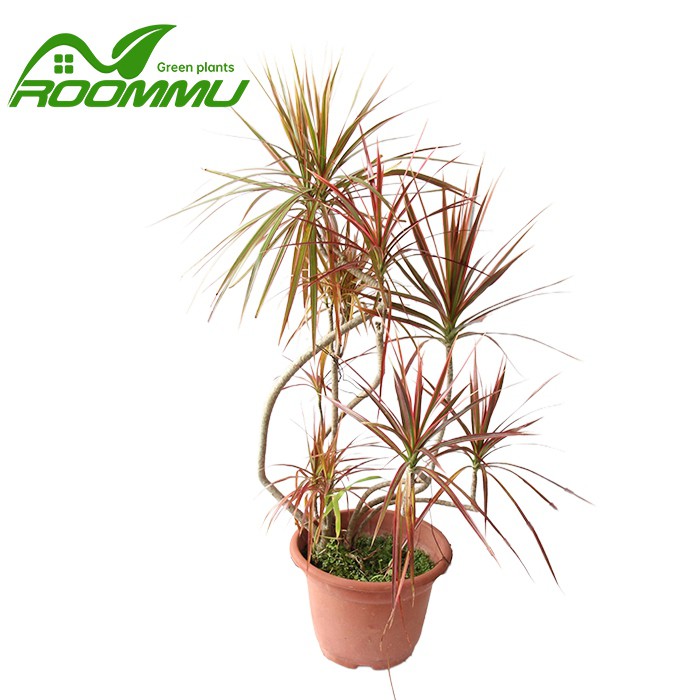
Now, I want to mention one of our popular dracaena varieties, the Dracaena Bicolor Braided Plant. This plant is not only beautiful but also easy to care for. It has long, narrow leaves with a striking bicolor pattern. The braided stems add a unique and decorative touch to any space.
If you're interested in purchasing dracaena plants or have any questions about taking cuttings, don't hesitate to reach out. We're here to help you with all your dracaena needs. Whether you're a beginner or an experienced plant enthusiast, we've got the perfect dracaena plant for you.
In conclusion, taking a cutting from a dracaena plant is a simple and rewarding process. With a little patience and care, you can propagate your dracaena and create new plants to enjoy or share with others. So, go ahead and give it a try. And if you're looking to add some dracaena plants to your collection, we're here to assist you. Contact us today to start your dracaena journey!
References:
- "The Complete Guide to Houseplants" by Barbara Pleasant
- "Gardening Basics: Propagation" by the University of Minnesota Extension