

Hey there, plant lovers! I'm a supplier of monstera plants, and I've seen firsthand how pesky pests can mess up these beautiful green babies. In this blog, I'll share some tips on how to make your monstera plant more resistant to pests.
Understand Your Monstera
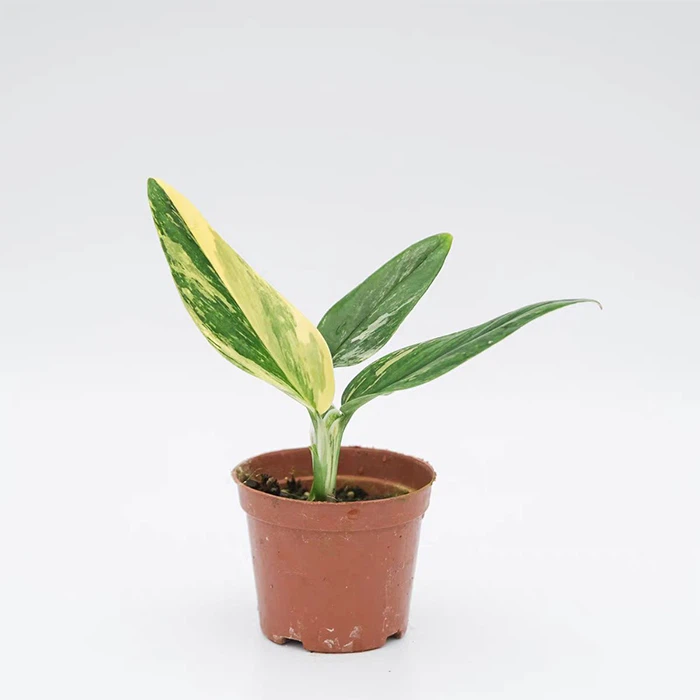
First things first, you gotta know what kind of monstera you're dealing with. We've got some cool varieties like the Monstera Adansonii 'Japanese Tricolor' Plant, Dubia Monstera, and Monstera Standleyana Variegated. Each one has its own needs and characteristics, so it's important to do a bit of research.
Different monsteras might attract different pests. For example, some pests are more likely to go after the tender new growth of a young plant, while others might target the leaves of a more mature one. By understanding your specific monstera, you can better anticipate and prevent pest problems.
Keep It Clean
One of the simplest ways to keep pests at bay is to keep your monstera clean. Dust and debris can build up on the leaves, which not only looks bad but can also attract pests. Use a soft, damp cloth to gently wipe down the leaves every few weeks. This will remove any dust and also give you a chance to check for any signs of pests.
Make sure to clean the pot and the area around the plant too. Pests can hide in the soil, in the cracks of the pot, or in the surrounding area. Regularly remove any dead leaves or plant debris from the pot and the floor around it. This will eliminate potential hiding places for pests.
Provide the Right Environment
Monsteras thrive in a specific environment, and providing the right conditions can make them more resistant to pests. They like bright, indirect light. Too much direct sunlight can scorch the leaves, making the plant weaker and more susceptible to pests. On the other hand, too little light can also stress the plant and make it more vulnerable.
The humidity is also important. Monsteras are native to tropical regions, so they like a bit of humidity. You can increase the humidity around the plant by misting it regularly, placing a tray of water near the plant, or using a humidifier. Dry air can cause the leaves to dry out and become more attractive to pests.
Proper watering is crucial as well. Overwatering can lead to root rot, which weakens the plant and makes it a target for pests. Underwatering can also stress the plant. Water your monstera when the top inch or so of the soil feels dry.
Use Natural Pest Repellents
There are some natural things you can use to repel pests from your monstera. For example, neem oil is a great natural insecticide. It can be sprayed on the leaves to deter pests like aphids, spider mites, and whiteflies. You can make a neem oil spray by mixing a few drops of neem oil with water and a little bit of dish soap. Spray it on the leaves, making sure to cover both the top and the bottom.
Garlic and chili pepper sprays can also work. Blend some garlic cloves or chili peppers with water, strain the mixture, and then spray it on the plant. The strong smell and taste will keep many pests away.
Introduce Beneficial Insects
Believe it or not, some insects can actually help protect your monstera from pests. Ladybugs, for example, love to eat aphids. You can buy ladybugs at a garden center and release them near your plant. They'll go to work right away, munching on the aphids and other small pests.
Another beneficial insect is the predatory mite. These mites feed on spider mites, which are a common pest for monsteras. You can introduce them to your plant to keep the spider mite population in check.
Quarantine New Plants
If you're adding a new monstera to your collection, it's important to quarantine it for a few weeks before placing it with your other plants. This will give you a chance to check for any signs of pests. New plants can sometimes bring in pests from the nursery or the store. By quarantining them, you can prevent the pests from spreading to your other plants.
Keep the new plant in a separate room or area away from your other plants. Check it regularly for any signs of pests, such as holes in the leaves, webbing, or small insects. If you do find pests, you can treat the plant before it has a chance to infect your other monsteras.

Prune Regularly
Pruning your monstera is not only good for its appearance but also for its health. Remove any dead, damaged, or diseased leaves or branches. These parts of the plant are more likely to attract pests. By pruning them off, you're removing potential pest hotspots.
Pruning also helps improve air circulation around the plant. Good air circulation can prevent the growth of fungi and other diseases that can attract pests. Use clean, sharp pruning shears to make clean cuts. Make sure to disinfect the shears between cuts to prevent the spread of any diseases.
Monitor Regularly
Regular monitoring is key to keeping your monstera pest-free. Check your plant every few days for any signs of pests. Look for things like holes in the leaves, discoloration, webbing, or small insects. If you notice any problems early, you can take action before the pests have a chance to do too much damage.
You can also use sticky traps to monitor for pests. Place the sticky traps near the plant, and they'll catch any flying pests like whiteflies or fungus gnats. This will give you an idea of the pest population and help you determine if you need to take further action.
Conclusion
Making your monstera plant more resistant to pests takes a bit of effort, but it's definitely worth it. By understanding your plant, keeping it clean, providing the right environment, using natural pest repellents, introducing beneficial insects, quarantining new plants, pruning regularly, and monitoring often, you can keep your monstera healthy and pest-free.
If you're interested in purchasing high-quality monstera plants or have any questions about pest prevention, feel free to reach out. I'm here to help you make your plant collection thrive!
References
- "The Plant Care Bible" by Derek Fell
- "Indoor Gardening for Beginners" by Lisa Eldred Steinkopf