

As a supplier of dracaena plants, I often receive inquiries from customers about how to control the height of these elegant plants. Dracaenas are popular indoor and outdoor plants known for their attractive foliage and relatively easy care. However, their growth can sometimes get out of control, leading to plants that are too tall for their space. In this blog post, I'll share some effective strategies for controlling the height of a dracaena plant.
Understanding Dracaena Growth
Before we dive into the methods of height control, it's important to understand how dracaena plants grow. Dracaenas are monocots, which means they have a single embryonic leaf. Their growth pattern is typically upward, with new leaves emerging from the top of the plant. The rate of growth can be influenced by several factors, including light, water, temperature, and nutrients.
1. Pruning
Pruning is one of the most effective ways to control the height of a dracaena plant. It involves cutting off the top part of the plant to encourage lateral growth and keep the plant at a manageable height.
- When to Prune: The best time to prune a dracaena is during its active growing season, which is usually in the spring or summer. Pruning during this time allows the plant to recover quickly and promotes new growth.
- How to Prune: Use a sharp, clean pair of pruning shears to make a clean cut just above a leaf node. A leaf node is the point on the stem where a leaf emerges. By cutting above a leaf node, you encourage the plant to produce new shoots from that point. You can prune the plant as much as you need to achieve the desired height, but avoid removing more than one-third of the plant at a time.
2. Light Management
Light plays a crucial role in the growth of dracaena plants. By controlling the amount and intensity of light the plant receives, you can influence its growth rate and height.
- Insufficient Light: If a dracaena plant is not getting enough light, it may grow tall and leggy as it reaches for more light. To prevent this, place the plant in a location where it receives bright, indirect light. Avoid placing it in direct sunlight, as this can scorch the leaves.
- Excessive Light: On the other hand, too much light can also cause problems. If a dracaena is exposed to intense sunlight for long periods, it may grow too quickly and become too tall. If you notice that your plant is growing too fast, you can move it to a location with less light or use a sheer curtain to filter the sunlight.
3. Watering and Fertilizing
Proper watering and fertilizing are essential for the health of a dracaena plant, but they can also affect its growth rate and height.
- Watering: Overwatering can lead to root rot and other problems, but it can also cause the plant to grow too quickly. To control the height of your dracaena, water it only when the top inch of soil is dry. Use a well-draining potting mix to prevent water from sitting in the soil for too long.
- Fertilizing: Fertilizing can provide the plant with the nutrients it needs to grow, but too much fertilizer can cause excessive growth. Use a balanced, water-soluble fertilizer and follow the instructions on the package. During the growing season, you can fertilize your dracaena once a month, but reduce the frequency during the winter months.
4. Planting and Repotting
The way you plant and repot your dracaena can also have an impact on its growth and height.
- Planting: When planting a dracaena, choose a pot that is slightly larger than the root ball. This will give the plant enough room to grow, but not so much that it encourages excessive growth. Use a well-draining potting mix and make sure the pot has drainage holes to prevent water from pooling.
- Repotting: As your dracaena grows, you may need to repot it into a larger pot. However, be careful not to repot it too often, as this can also stimulate growth. Only repot the plant when it has outgrown its current pot and the roots are starting to come out of the drainage holes.
5. Using Growth Regulators
In some cases, you may want to use growth regulators to control the height of your dracaena plant. Growth regulators are chemicals that can slow down the growth of plants.

- Types of Growth Regulators: There are several types of growth regulators available, including gibberellin inhibitors and cytokinins. Gibberellin inhibitors work by blocking the production of gibberellins, which are hormones that promote plant growth. Cytokinins, on the other hand, can promote lateral growth and help keep the plant compact.
- How to Use Growth Regulators: Before using a growth regulator, make sure to read the instructions carefully and follow them exactly. Growth regulators can be applied as a spray or a soil drench. It's important to note that growth regulators should be used sparingly and only when necessary, as they can have negative effects on the plant if used incorrectly.
Conclusion
Controlling the height of a dracaena plant requires a combination of proper pruning, light management, watering, fertilizing, planting, and sometimes the use of growth regulators. By following these strategies, you can keep your dracaena plant at a manageable height and ensure its health and beauty.
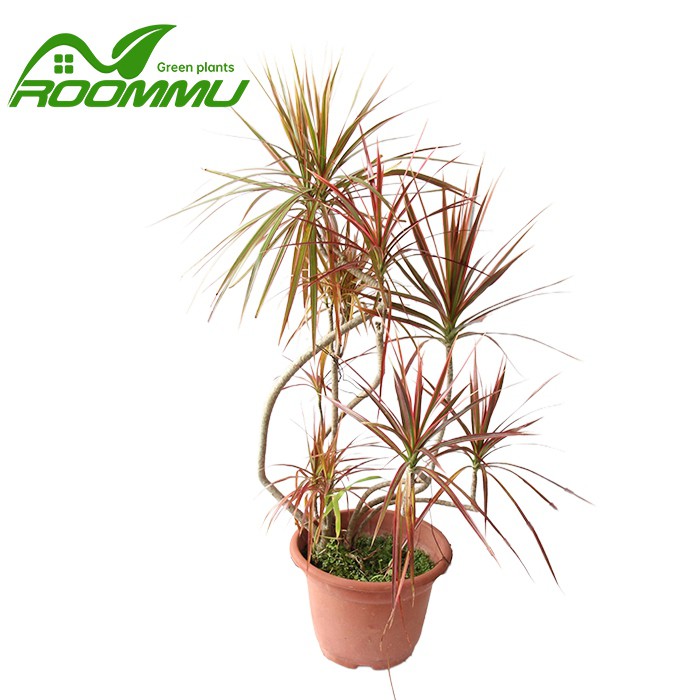
If you're interested in purchasing a dracaena plant, we offer a wide variety of high-quality dracaena plants, including the Dracaena Bicolor Braided Plant. Our plants are carefully selected and cared for to ensure they are healthy and ready to thrive in your home or garden. If you have any questions or would like to discuss your purchasing options, please don't hesitate to contact us. We look forward to helping you find the perfect dracaena plant for your needs.
References
- "The Complete Guide to Dracaena Care" by Gardening Know How
- "Indoor Plant Care: Dracaena" by University of Florida Extension
- "Plant Growth Regulators: What They Are and How They Work" by Greenhouse Product News