

As a dracaena plant supplier, I often get asked how often one should fertilize a dracaena plant in autumn. It's a great question, and the answer isn't as straightforward as you might think. In this blog, I'll share my insights based on years of experience in the business and what I've learned about these beautiful plants.
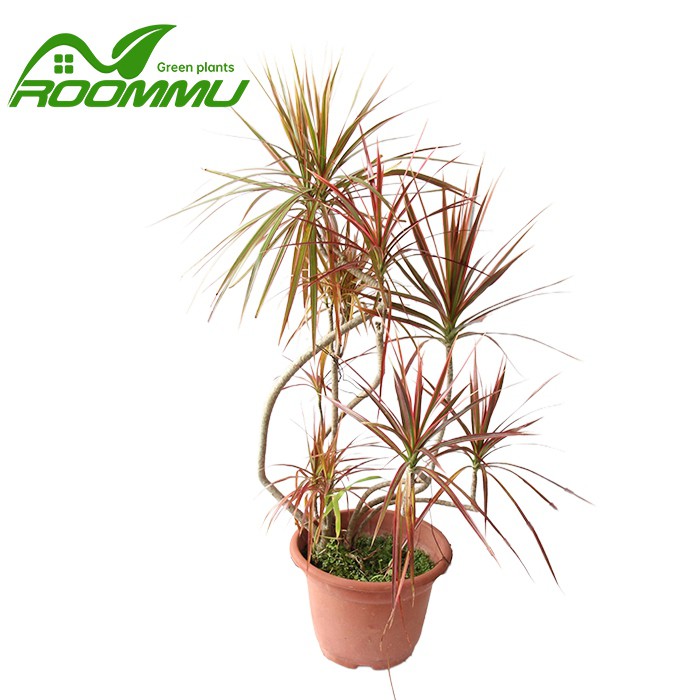
First off, let's talk a bit about dracaena plants. They're super popular for indoor decoration, and for good reason. They come in all sorts of shapes and sizes, and they're generally pretty low - maintenance. One of my personal favorites is the Dracaena Bicolor Braided Plant. Its unique braided trunk and variegated leaves make it a real eye - catcher.

Now, back to fertilization. In autumn, dracaena plants enter a phase where their growth rate slows down. During the spring and summer, they're in full - throttle growth mode and need more nutrients. But in fall, things change. You see, dracaenas are like us in a way. As the seasons change, their needs change too.
A general rule of thumb is to fertilize less frequently in autumn compared to the growing season. For most dracaena plants, fertilizing once every 6 - 8 weeks should be sufficient. This interval gives the plant enough nutrients without overloading it. Why is that important? Well, over - fertilizing can cause a build - up of salts in the soil. This can lead to a bunch of problems, like burned roots, yellowing leaves, and stunted growth.
When it comes to choosing the right fertilizer, go for a balanced, water - soluble one. Look for something with an NPK ratio (that stands for nitrogen, phosphorus, and potassium) of around 10 - 10 - 10 or 20 - 20 - 20. Nitrogen helps with leaf growth, phosphorus is important for root development, and potassium keeps the plant healthy overall.
Another thing to keep in mind is the soil condition. Before you fertilize, make sure the soil is moist. If the soil is dry, applying fertilizer can actually burn the roots. So, give your dracaena a good watering about an hour before you fertilize. This will help the roots absorb the nutrients better.
I also want to mention that different types of dracaena might have slightly different needs. Some varieties are more sensitive to fertilizers than others. For example, if you have a dracaena with thin, delicate leaves, you might want to be a bit more cautious with the amount of fertilizer you use. It's always a good idea to do a bit of research on the specific type of dracaena you have.
Now, let's talk about how to apply the fertilizer. Start by diluting the water - soluble fertilizer according to the instructions on the package. Don't be tempted to use more than recommended, thinking it'll make your plant grow faster. Remember, in autumn, slower growth is normal. Once you've diluted the fertilizer, pour it evenly around the base of the plant. Make sure not to get any on the leaves, as this can cause damage.
You might also notice some changes in your dracaena's appearance in autumn. The leaves might start to turn a bit yellow or drop off. This is normal to some extent. It's the plant's way of adjusting to the changing season. But if you see excessive yellowing or leaf drop, it could be a sign of over - fertilization or other problems. In that case, stop fertilizing and check the soil moisture and drainage.
If you're new to growing dracaena plants, it might be a good idea to start with a small amount of fertilizer and see how the plant responds. You can always adjust the frequency and amount based on how your plant looks and grows.
In addition to fertilizing, proper watering and light are also crucial for your dracaena's health in autumn. Water your plant when the top inch or so of the soil feels dry. And make sure it gets enough indirect light. Too much direct sunlight can scorch the leaves, especially during the still - bright autumn days.
As a dracaena plant supplier, I've seen a lot of customers have great success with their plants by following these simple guidelines. Whether you're a seasoned plant parent or just starting out, taking good care of your dracaena in autumn will help it stay healthy and beautiful all year round.
If you're interested in purchasing dracaena plants for your home, office, or any other space, I'd be more than happy to talk to you about our wide selection. Contact me, and we can discuss the best options for your specific needs and preferences. We're committed to providing high - quality plants, and I'm confident you'll find the perfect dracaena for you. So, don't hesitate to reach out and start a conversation.
References:
- General knowledge from years of experience as a dracaena plant supplier.
- Horticultural literature on indoor plant care, including specific information on dracaena plants.