

Can the shape of a cactus influence its pollination?
Hey there, plant enthusiasts! I'm here as a cactus shape supplier, and today we're diving into a super interesting topic: whether the shape of a cactus can influence its pollination. It's a question that's been bouncing around in the plant world, and I've done a fair bit of research to share some insights with you.
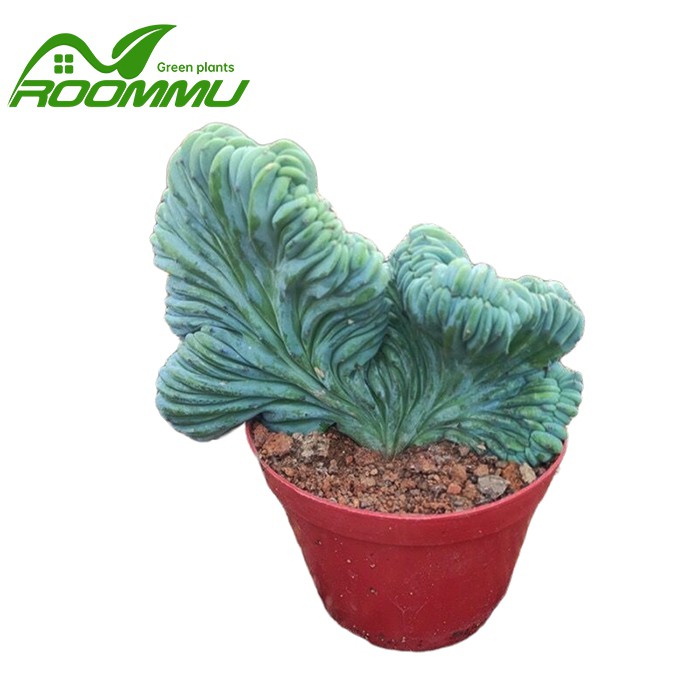
First off, let's talk about cacti in general. These amazing plants come in all sorts of shapes and sizes. You've got the tall, columnar ones that look like they're reaching for the sky, the round and spiky globular cacti, and then there are the really funky - shaped ones like the Myrtillocactus Geometrizans Cristata Cactus. This particular cactus has a wavy, crested shape that almost looks like an otherworldly brain. It's truly a sight to behold.
Now, when it comes to pollination, it's all about attracting the right pollinators. In the wild, cacti rely on a variety of creatures to spread their pollen. Bees, bats, birds, and even some insects play a role in this process. The shape of a cactus can have a big impact on how appealing it is to these pollinators.
Let's start with the columnar cacti. These tall guys often have their flowers located at the top. This makes them more visible to flying pollinators like birds and bats. Birds, especially hummingbirds, are attracted to brightly - colored flowers that are easily accessible. The height of the columnar cactus puts the flowers in a prime position for these little feathered friends to spot and visit. The shape also provides a stable structure for the birds to perch on while they're sipping nectar and spreading pollen.
On the other hand, globular cacti have a different strategy. Their round shape means that their flowers are more spread out around the surface. This can be an advantage when it comes to attracting insects. Insects like bees can easily crawl around the cactus, visiting multiple flowers in one go. The compact shape also offers some protection for the flowers from the harsh desert environment, which is a plus for successful pollination.
Now, let's get back to that funky Myrtillocactus Geometrizans Cristata Cactus. Its crested shape creates a unique surface area. The wavy folds and ridges can provide hiding places for small insects. Some insects might be attracted to these nooks and crannies, and while they're exploring, they end up coming into contact with the flowers and pollinating them. It's like a little ecosystem within the cactus itself.
But it's not just about attracting pollinators; the shape can also affect how the pollen is transferred. For example, some cacti have flowers that are tubular in shape. This is a perfect fit for the long beaks of hummingbirds. As the hummingbird inserts its beak into the tube to get to the nectar, pollen sticks to its head and is then carried to the next flower. The shape of the flower acts as a kind of funnel, guiding the pollinator and ensuring efficient pollen transfer.
In addition to the natural shape, human - made cactus shapes can also have an impact. In the world of horticulture, we often see cacti being grafted or shaped in different ways. When we change the shape of a cactus, we might be altering its pollination prospects. For instance, if we graft a cactus in a way that makes the flowers less accessible, it could be more difficult for pollinators to reach them.

As a cactus shape supplier, I've seen a lot of different cacti in my time. I've noticed that some customers are specifically looking for cacti with unique shapes not just for decoration but also because they're interested in the pollination process. They want to create a little pollinator - friendly garden in their own backyard.
If you're thinking about starting your own cactus garden and want to encourage pollination, it's a good idea to choose a variety of cactus shapes. Mix in some columnar ones for the birds, globular ones for the insects, and maybe throw in a funky - shaped one like the Myrtillocactus Geometrizans Cristata Cactus to add some diversity.
Now, I know some of you might be itching to get your hands on these amazing cacti. Whether you're a professional gardener, a hobbyist, or just someone who loves the look of these unique plants, I'm here to help. I can supply you with a wide range of cactus shapes to suit your needs. If you're interested in learning more or want to start a purchase negotiation, don't hesitate to reach out. We can talk about what you're looking for, and I'll do my best to find the perfect cacti for your collection.
In conclusion, the shape of a cactus definitely plays a role in its pollination. From attracting different pollinators to facilitating pollen transfer, every shape has its own advantages. And as a cactus shape supplier, I'm excited to be part of the journey of bringing these amazing plants to your gardens. So, let's get those pollinators buzzing and those cacti blooming!
References
- Barthlott, W., & Hunt, D. (1993). The Cactus Family. Timber Press.
- Nobel, P. S. (1988). Environmental Biology of Agaves and Cacti. Cambridge University Press.
- Rojas - Aréchiga, M., & Vázquez - Yanes, C. (2000). Seed Germination in Cacti. Plant Species Biology, 15(1), 1 - 13.