

Propagating a dracaena plant from a cutting is an exciting and cost - effective way to expand your plant collection or share these beautiful specimens with others. As a dracaena plant supplier, I've had extensive experience with these remarkable plants, and I'm here to guide you through the process.
Why Propagate Dracaena from Cuttings?
Dracaena plants are known for their striking foliage and air - purifying qualities. Propagating from cuttings allows you to create new plants that are genetically identical to the parent plant. This means you can preserve the unique characteristics of a particularly beautiful or healthy dracaena. Additionally, it's a sustainable option, as you're not relying on purchasing new plants all the time.
Types of Dracaena Suitable for Propagation
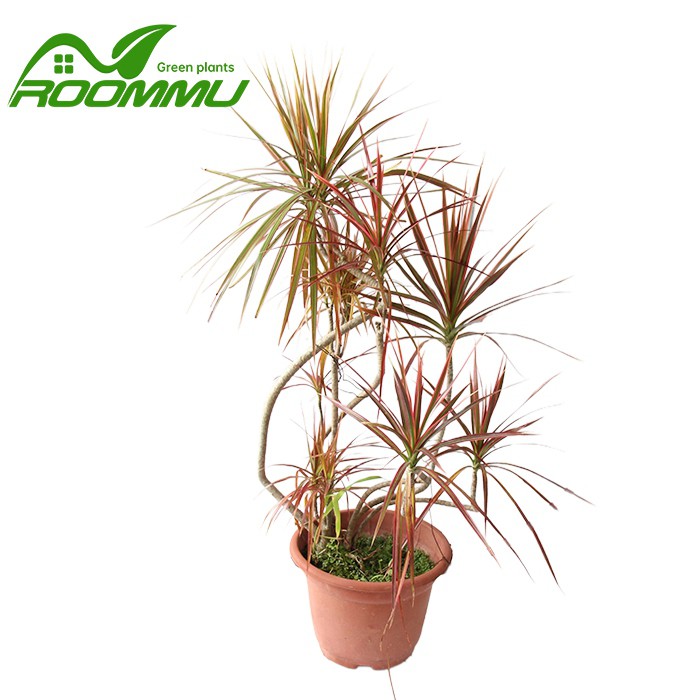
There are numerous dracaena species, and many of them can be propagated from cuttings. One popular variety is the Dracaena Bicolor Braided Plant. This plant has a distinctive braided trunk and colorful foliage, making it a favorite among plant enthusiasts. Other common dracaena species like Dracaena marginata, Dracaena fragrans, and Dracaena sanderiana can also be propagated successfully.
Preparing for Propagation
Before you start taking cuttings, you need to gather the necessary materials. You'll need a sharp, clean pair of pruning shears or a knife. It's important to sterilize your cutting tool to prevent the spread of diseases. You can do this by wiping it with rubbing alcohol.
You'll also need a suitable growing medium. A well - draining mixture of perlite and peat moss works well for dracaena cuttings. You can also use a commercial potting mix formulated for tropical plants. Additionally, prepare small pots or containers with drainage holes.

Taking the Cutting
The best time to take a cutting from a dracaena plant is during the spring or summer when the plant is actively growing. Look for a healthy stem on the parent plant. The stem should be at least 4 - 6 inches long and have several leaves.
Using your sterilized cutting tool, make a clean cut just below a leaf node. A leaf node is the point on the stem where a leaf attaches. This is where the new roots will form. Remove the lower leaves from the cutting, leaving only a few at the top.
Rooting the Cutting
There are two common methods for rooting dracaena cuttings: water propagation and soil propagation.
Water Propagation
Place the cutting in a glass or jar filled with clean, room - temperature water. Make sure the bottom of the cutting is submerged, but the leaves are above the water. Change the water every few days to keep it fresh and prevent the growth of bacteria. After a few weeks, you should start to see roots forming at the base of the cutting. Once the roots are about an inch long, you can transplant the cutting into soil.
Soil Propagation
Dip the cut end of the cutting in rooting hormone powder. Rooting hormone can help stimulate root growth. Make a small hole in the prepared growing medium in the pot and place the cutting in the hole. Gently press the soil around the cutting to hold it in place.
Water the cutting thoroughly, but be careful not to overwater. Keep the soil moist but not soggy. Place the pot in a warm, bright location, but out of direct sunlight. You can cover the pot with a plastic bag to create a humid environment, which will help the cutting root.
Caring for the Newly Rooted Plant
Once the cutting has rooted and started to grow, it's important to provide proper care. Keep the plant in a warm environment with temperatures between 60 - 80°F (15 - 27°C). Dracaena plants prefer bright, indirect light. Too much direct sunlight can scorch the leaves.
Water the plant when the top inch of the soil feels dry. Overwatering can lead to root rot, so it's important to let the soil dry out slightly between waterings. You can also fertilize the plant every few months with a balanced, water - soluble fertilizer.
Troubleshooting
Sometimes, things may not go as planned when propagating dracaena cuttings. If the cutting starts to rot, it may be due to overwatering or a contaminated cutting tool. Remove the rotted part of the cutting and start over with a new one.
If the cutting doesn't root, it could be because the temperature is too low or the growing medium is not well - draining. Adjust the conditions and try again.
Advantages of Buying Dracaena Plants from a Supplier
While propagating dracaena plants from cuttings can be a rewarding experience, there are also many advantages to buying plants from a professional supplier like us. We have a wide variety of dracaena species and cultivars available, including the Dracaena Bicolor Braided Plant. Our plants are carefully grown and maintained to ensure they are healthy and disease - free.
We also offer expert advice on plant care. If you're new to growing dracaena plants, our team can provide you with tips on watering, fertilizing, and pest control. Additionally, we can help you choose the right dracaena species for your specific needs and growing conditions.
Contact for Purchase and Discussion
If you're interested in purchasing dracaena plants or have any questions about propagation or plant care, we'd love to hear from you. Whether you're a homeowner looking to add some greenery to your space or a business owner in need of indoor plants, we can provide you with high - quality dracaena plants. Contact us to start a discussion about your plant requirements, and we'll work with you to find the perfect solutions.
References
- "Houseplants: A Complete Guide to Choosing, Growing, and Caring for Indoor Plants" by Jane Gates
- "The Encyclopedia of Houseplants" by Christine Schleidt