

When it comes to indoor gardening, the Dracaena plant is a popular choice for many plant enthusiasts. As a Dracaena plant supplier, I often receive questions from customers about the best care practices for these beautiful plants. One common query is whether it's advisable to place a Dracaena plant near a heater. In this blog post, I'll delve into the scientific aspects of this question and provide you with a comprehensive answer.
Understanding the Dracaena Plant
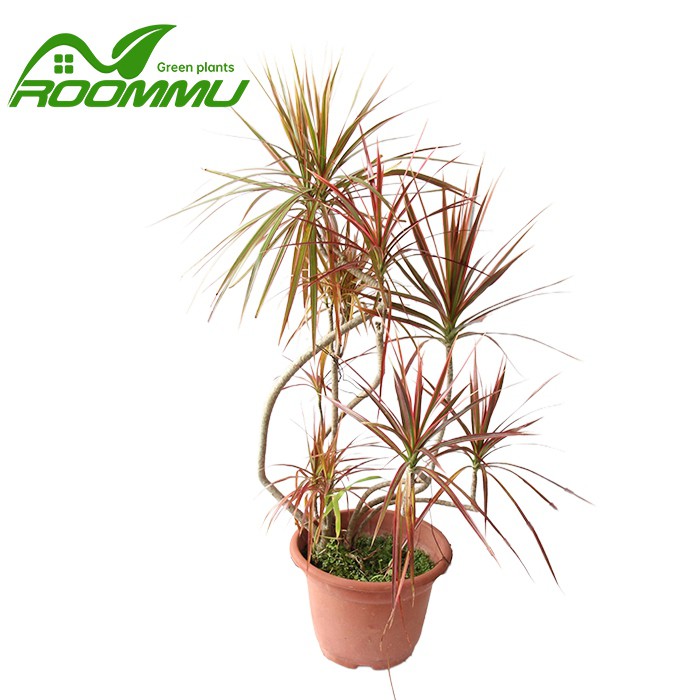
Dracaena plants are known for their striking foliage and relatively low maintenance requirements. They come in various species, each with its unique characteristics. For instance, the Dracaena Bicolor Braided Plant is a visually appealing variety that adds a touch of elegance to any indoor space. These plants are native to tropical and subtropical regions, which means they thrive in warm and humid environments.
The Effects of Heat on Dracaena Plants
Placing a Dracaena plant near a heater can have both positive and negative effects. On the one hand, Dracaena plants prefer warm temperatures, generally between 60°F and 75°F (15°C and 24°C). A heater can help maintain a suitable temperature, especially during the colder months when indoor temperatures may drop. This can promote healthy growth and prevent the plant from experiencing cold stress.
However, there are also several potential drawbacks to consider. Heaters can cause the air around them to become extremely dry. Dracaena plants, being native to humid environments, require a certain level of humidity to thrive. When the air is too dry, the plant may start to show signs of stress, such as brown leaf tips, crispy edges, and overall wilting. The lack of humidity can also make the plant more susceptible to pests and diseases.
In addition, direct exposure to the heat from a heater can be harmful to the plant. The intense heat can cause the leaves to burn, leading to irreversible damage. It can also disrupt the plant's normal physiological processes, such as photosynthesis and transpiration. Photosynthesis is the process by which plants convert light energy into chemical energy, and transpiration is the process by which they lose water through their leaves. Excessive heat can interfere with these processes, ultimately affecting the plant's health and growth.
Alternatives to Placing Dracaena Near a Heater
If you're concerned about maintaining the right temperature for your Dracaena plant during the cold months, there are several alternatives to placing it near a heater. One option is to use a space heater in a nearby room to warm the air indirectly. This way, the plant can benefit from the increased temperature without being exposed to the direct heat and dryness of the heater.
Another alternative is to group your Dracaena plant with other plants. Plants release moisture into the air through transpiration, so grouping them together can create a microclimate with higher humidity. You can also place a tray filled with water and pebbles near the plant. As the water evaporates, it will increase the humidity around the plant.
Using a humidifier is also an effective way to maintain the right humidity level for your Dracaena plant. A humidifier can add moisture to the air, creating a more suitable environment for the plant. Make sure to place the humidifier at a reasonable distance from the plant to avoid over - wetting the leaves.
Best Placement for Dracaena Plants
The ideal placement for a Dracaena plant is in a location that receives bright, indirect light. This can be near a window with a sheer curtain to filter the sunlight. The plant should also be away from drafts, such as those from open windows or air conditioning vents.
In terms of temperature, a consistent temperature within the preferred range of 60°F - 75°F (15°C - 24°C) is best. Avoid placing the plant in areas where the temperature fluctuates significantly, such as near exterior doors or in hallways.
Conclusion
In conclusion, while Dracaena plants prefer warm temperatures, placing them directly near a heater is generally not recommended. The dry air and intense heat can cause significant stress to the plant, leading to various health problems. Instead, consider using alternative methods to maintain the right temperature and humidity for your plant.
As a Dracaena plant supplier, I'm committed to providing you with the best advice on caring for these beautiful plants. If you're interested in purchasing Dracaena plants for your home or office, I encourage you to reach out for a procurement discussion. Whether you're a beginner in indoor gardening or an experienced plant lover, I can help you find the perfect Dracaena plants to suit your needs.

References
- "Houseplant Encyclopedia" by D.G. Hessayon
- Various scientific studies on plant physiology and environmental requirements of Dracaena species.