

Can araucaria trees grow in sandy soil? This is a question that many gardening enthusiasts, landscapers, and potential buyers often ask. As a supplier of araucaria trees, I've delved deep into the science of these magnificent trees and their soil preferences to provide you with a comprehensive answer.
Araucaria trees belong to the Araucariaceae family, which includes several species such as the well - known Araucaria Cunninghamii 'Hoop Pine'. These trees are native to regions like South America, Australia, and New Caledonia. In their natural habitats, they have adapted to a variety of soil conditions, but understanding their relationship with sandy soil is crucial for successful cultivation.
Characteristics of Sandy Soil
Sandy soil is composed of relatively large particles. It has a gritty texture and drains water very quickly. This rapid drainage is both an advantage and a drawback. On the one hand, it prevents waterlogging, which can be fatal to many plants. On the other hand, sandy soil has a low water - holding capacity and tends to lose nutrients rapidly through leaching. The large particle size also means that sandy soil has relatively poor structure and may not provide strong support for plant roots.
Adaptability of Araucaria Trees to Sandy Soil
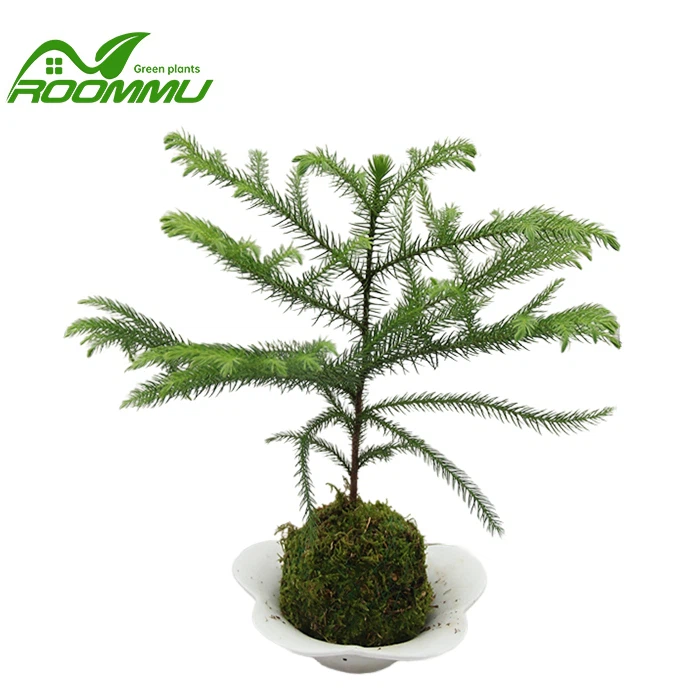
Some species of araucaria trees show a certain degree of adaptability to sandy soil. For example, Araucaria heterophylla, commonly known as the Norfolk Island pine, can tolerate well - drained sandy soils. In its native habitat on Norfolk Island, the soil is often a mix of volcanic ash and sand, which provides good drainage.
The root system of araucaria trees plays a significant role in their ability to grow in sandy soil. These trees typically develop a deep and extensive root system. The deep roots can reach down to access water and nutrients that are deeper in the soil profile. In sandy soil, where surface water and nutrients are quickly depleted, the deep - rooting characteristic allows araucaria trees to survive.
However, it's important to note that not all araucaria species have the same level of tolerance to sandy soil. Araucaria angustifolia, for instance, is more commonly found in soils with higher organic matter content and better water - holding capacity. In sandy soil, this species may struggle to establish and grow, as it requires a more stable and nutrient - rich environment.

Factors Affecting Growth in Sandy Soil
Water Availability
As mentioned earlier, sandy soil drains water quickly. This means that araucaria trees growing in sandy soil need to be watered more frequently. However, over - watering can also be a problem, as it can lead to root rot. A proper watering schedule is essential. During the hot summer months, more frequent watering may be required, while in cooler seasons, the frequency can be reduced.
Nutrient Management
Sandy soil is often low in nutrients. Araucaria trees need a balanced supply of nutrients, including nitrogen, phosphorus, and potassium, for healthy growth. Fertilization is crucial when growing these trees in sandy soil. Organic fertilizers, such as compost or well - rotted manure, can be added to improve the soil's nutrient content and structure. Slow - release fertilizers can also be used to provide a steady supply of nutrients over time.
Soil pH
The pH of the soil can also affect the growth of araucaria trees. Most araucaria species prefer slightly acidic to neutral soil (pH 6 - 7). Sandy soil can vary in pH, and it's important to test the soil and adjust the pH if necessary. Lime can be added to raise the pH if the soil is too acidic, while sulfur can be used to lower the pH if it's too alkaline.
Cultivation Tips for Araucaria Trees in Sandy Soil
Site Selection
When planting araucaria trees in sandy soil, choose a site that receives adequate sunlight. Most araucaria species require full to partial sun. Avoid areas that are prone to strong winds, as the relatively loose structure of sandy soil may not provide sufficient support for the trees, making them more vulnerable to wind damage.
Soil Preparation
Before planting, prepare the soil by adding organic matter. This can improve the soil's water - holding capacity and nutrient content. Dig a hole that is twice as wide as the root ball of the tree and mix in compost or well - rotted manure. This will create a more favorable environment for the tree's roots to establish.
Mulching
Mulching around the base of the araucaria tree can help conserve moisture in the sandy soil. Organic mulches, such as wood chips or bark, can also break down over time and add nutrients to the soil. Apply a layer of mulch about 2 - 3 inches thick, making sure to keep it away from the trunk of the tree to prevent rot.
Our Role as an Araucaria Tree Supplier
As a supplier of araucaria trees, we understand the importance of providing healthy and well - adapted trees. We carefully select and cultivate our araucaria trees to ensure they can thrive in a variety of soil conditions, including sandy soil. Our team of experts can provide you with detailed advice on planting, care, and maintenance of araucaria trees in sandy soil.

We offer a wide range of araucaria species, including the Araucaria Cunninghamii 'Hoop Pine'. Whether you are a homeowner looking to add a unique tree to your garden or a landscaper working on a large - scale project, we have the right araucaria tree for you.

Conclusion
In conclusion, while some araucaria trees can grow in sandy soil, it requires careful consideration of various factors such as water availability, nutrient management, and soil pH. With proper care and cultivation techniques, these trees can thrive in sandy soil environments.
If you are interested in purchasing araucaria trees for your project, we invite you to contact us for a detailed discussion. Our team is ready to assist you in selecting the right species and providing you with all the necessary information for successful cultivation.
References
- Aronson, J., Floret, C., Le Floc'h, E., Ovalle, C., & Pontanier, R. (1993). Restoration and rehabilitation of degraded ecosystems in arid and semi - arid lands. II. Case studies in southern Tunisia 1988 - 1992. Restoration Ecology, 1(2), 87 - 96.
- Baskin, C. C., & Baskin, J. M. (2014). Seeds: Ecology, biogeography, and evolution of dormancy and germination. Academic Press.
- Hodel, D. R. (2012). Landscape palms: selection, propagation, and culture. Timber Press.