

Agave plants have long fascinated plant enthusiasts with their striking appearance and diverse uses. As a supplier of agave plants, I've encountered numerous inquiries regarding their safety, especially the question: "Are agave plants poisonous?" In this blog, we'll delve into the scientific aspects of agave plant toxicity, exploring the facts and dispelling common myths.
Understanding Agave Plants
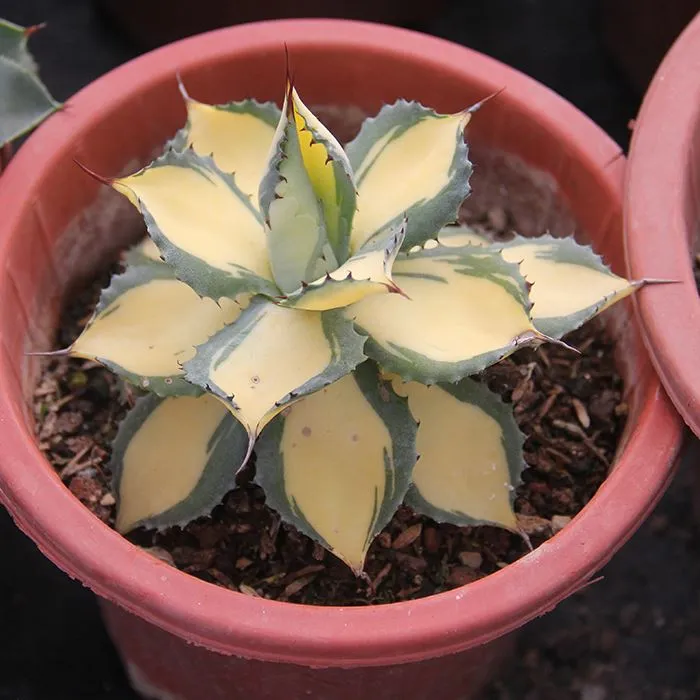
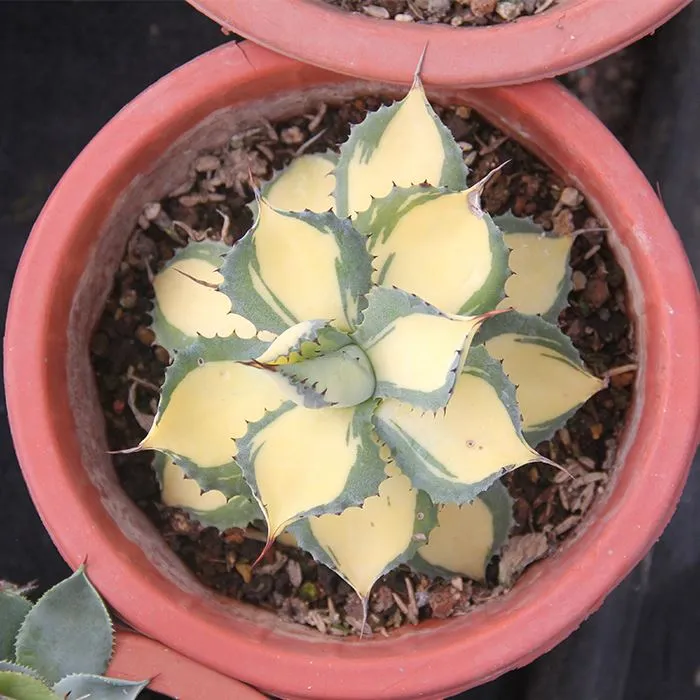
Agave belongs to the Asparagaceae family and encompasses around 200 species native to arid and semi - arid regions of the Americas. These succulents are known for their thick, fleshy leaves arranged in a rosette pattern. Some well - known types include the century plant (Agave americana), used in the production of tequila, and smaller ornamental varieties like Agave Potatorum Eye Scream, Agave Potatorum 'Rum Runner', and Agave Isthmensis Cv. Hoi Raiz.
Toxic Components in Agave Plants
Agave plants do contain certain compounds that can be toxic under specific circumstances. The primary toxic components are saponins and oxalates.
Saponins
Saponins are natural detergents found in many plants, including agave. These compounds can cause irritation when they come into contact with the skin, eyes, or digestive system. When a person's skin is exposed to agave sap, which contains saponins, it may lead to a condition known as contact dermatitis. Symptoms can include redness, itching, swelling, and in severe cases, blistering. This reaction is more likely to occur in individuals with sensitive skin.
In the digestive system, saponins can disrupt the cell membranes of the digestive tract. Ingesting large amounts of agave plant material can cause nausea, vomiting, and diarrhea. However, it's important to note that the concentration of saponins varies among different agave species. Some species have higher levels, making them potentially more toxic.
Oxalates
Oxalates are another group of compounds present in agave plants. These are sharp, needle - like crystals. When the plant is chewed or ingested, the oxalates can cause mechanical irritation to the mouth, throat, and digestive system. Symptoms of oxalate ingestion may include a burning or stinging sensation in the mouth, excessive salivation, and swelling of the lips, tongue, and throat. In severe cases, it can lead to difficulty breathing and swallowing.
Toxicity in Different Parts of the Agave Plant
The level of toxicity can vary depending on the part of the agave plant.
Leaves
The leaves are the most commonly encountered part of the agave plant. They contain a significant amount of sap, which is rich in saponins and oxalates. Handling the leaves without proper protection can result in skin irritation. If an animal or a human were to chew on the leaves, the risk of ingesting a large amount of these toxic compounds is high.
Flowers and Stalks
The flowers and stalks of agave plants are generally less toxic than the leaves. However, they can still contain some levels of saponins and oxalates. In some cultures, the flowers of certain agave species are edible after proper preparation. This preparation often involves cooking or boiling, which can break down some of the toxic compounds.
Roots
The roots of agave plants also contain toxic compounds. Although it's less common for people or animals to come into contact with the roots, digging up a plant without proper precautions can expose one to the sap from the roots, leading to similar skin and digestive issues.
Risks Associated with Different Groups
Humans
While most adults are unlikely to intentionally ingest agave plants, accidental exposure can occur. Gardeners or landscapers who handle agave plants without gloves are at risk of skin irritation. Children, on the other hand, may be more likely to chew on a plant out of curiosity. This can lead to more severe effects, especially considering their smaller body size.
Pets
Pets, such as dogs and cats, are also at risk. If they chew on an agave plant, they can experience symptoms such as drooling, vomiting, and diarrhea. In some cases, it can be life - threatening, especially if left untreated. It's crucial for pet owners to keep agave plants out of reach of their furry friends.
Safe Handling of Agave Plants
As a supplier, I always emphasize the importance of safe handling of agave plants.
Personal Protection
When handling agave plants, it's advisable to wear gloves, long - sleeved shirts, and eye protection. This minimizes the risk of skin and eye contact with the toxic sap. After handling the plants, thoroughly wash your hands with soap and water to remove any traces of sap.
Pruning and Propagation
During pruning or propagation, take extra care. Use sharp, clean tools to make clean cuts and avoid crushing the plant tissue, which can release more sap. Dispose of any plant trimmings properly, as they can still pose a risk if ingested by animals or humans.
Ingestion Precautions
If someone accidentally ingests a part of an agave plant, it's important to seek medical or veterinary attention immediately. Do not induce vomiting unless instructed to do so by a medical professional.
Uses of Agave Despite Toxicity
Despite the potential toxicity, agave plants have many valuable uses.
Ornamental Use
Agave plants are extremely popular in landscaping and as indoor plants. Their unique shapes and textures add a touch of the exotic to any garden or living space. Many people are willing to take the necessary precautions to enjoy the beauty of these plants.
Culinary Use
As mentioned earlier, after proper preparation, some parts of certain agave species can be consumed. Agave nectar, made from the sap of the plant, is a popular sweetener. It has a lower glycemic index compared to traditional sugars, making it a preferred choice for some health - conscious consumers.
Industrial Use
Agave fibers are used in the production of ropes, mats, and textiles. The plants are also used in the production of alcoholic beverages like tequila and mezcal. The distillation process removes many of the toxic compounds, making the final products safe for consumption.
Conclusion
In conclusion, agave plants are indeed poisonous to some extent due to the presence of saponins and oxalates. However, with proper knowledge and handling, the risks can be effectively minimized. Whether you're a gardener, a plant enthusiast, or a pet owner, understanding the potential toxicity of agave plants is essential.
If you're interested in adding agave plants to your collection, whether for ornamental purposes or other uses, I'm here to assist you. We offer a wide range of high - quality agave plants, including the beautiful Agave Potatorum Eye Scream, Agave Potatorum 'Rum Runner', and Agave Isthmensis Cv. Hoi Raiz. Feel free to reach out for more information and to discuss your procurement needs.
References
- "The Genus Agave: Botany, Chemistry, and Economic Importance" by Howard Scott Gentry.
- "Plant Poisoning in Animals" by Ramesh C. Gupta.
- Journal articles on plant toxicology and agave research.