


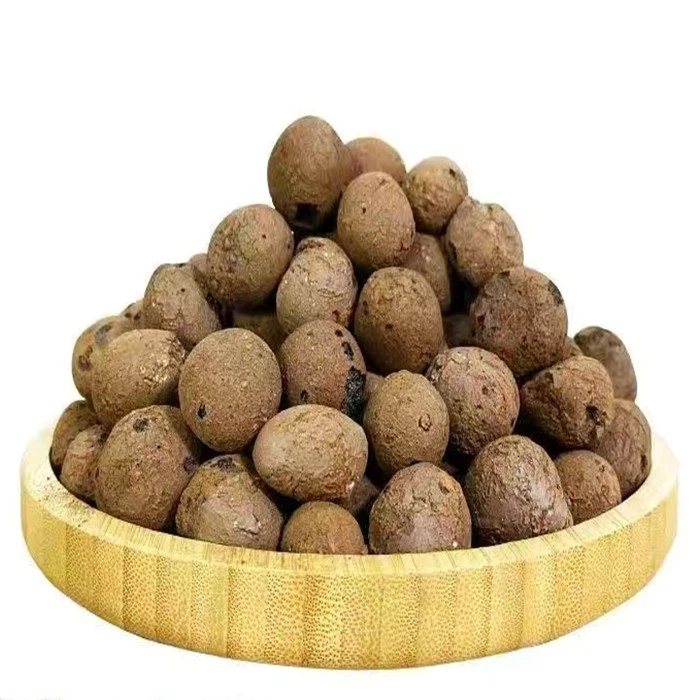

Clay balls for plants Features
Clay balls, also known as expanded clay pellets or hydroton, are a popular growing medium used in gardening and hydroponics. They offer several benefits for plant health and maintenance. Here's a detailed overview:
Clay balls for plants Size:
- 0.8cm-1.1cm
- 1.2cm-1.4cm
- 1.5cm-2.5cm
What Are Clay Balls?
- Material:
Made from natural clay, these balls are heated at high temperatures until they expand, forming small, round, lightweight pellets.
- Appearance:
They are typically light brown and porous, with a rough texture.
Benefits of Using Clay Balls
- Aeration:
The porous structure allows for excellent aeration, preventing root rot and promoting healthy root growth.
- Drainage:
They provide good drainage, preventing waterlogging and ensuring that plant roots get the right amount of moisture.
- pH Neutral:
Clay balls are pH neutral, so they won't affect the pH balance of the soil or growing medium.
- Reusable:
They can be cleaned and reused multiple times, making them a cost-effective and sustainable choice.
Uses
- Hydroponics:
Commonly used in hydroponic systems to support plant roots and retain moisture while providing excellent aeration.
- Soil Amendment:
Mixed with soil to improve drainage and aeration.
- Mulch:
Used as a top layer in pots to retain moisture and prevent soil compaction.
- Propagation:
Ideal for propagating cuttings due to their sterile and aerated environment.
How to Use Clay Balls
1. Preparation:
Rinse the clay balls thoroughly before use to remove any dust and debris.
2. In Hydroponics:
Place the clay balls in the hydroponic system's container, creating a stable bed for plant roots.
Ensure the balls are evenly distributed for consistent moisture and nutrient delivery.
3. As a Soil Amendment:
Mix clay balls into the soil at a ratio of about 20-30% to improve aeration and drainage.
4. As Mulch:
Spread a layer of clay balls on top of the soil in pots or garden beds to help retain moisture and reduce weed growth.
5. For Propagation:
Fill a container with clay balls and insert plant cuttings. The balls will hold the cuttings upright and provide the necessary moisture and aeration for root development.
Maintenance and Reuse
- Cleaning:
After use, soak the clay balls in a mixture of water and mild bleach or hydrogen peroxide to disinfect them. Rinse thoroughly with clean water.
- Storage:
Allow the clay balls to dry completely before storing them in a clean, dry place until the next use.
Tips for Optimal Use
- Ensure proper rinsing before use to avoid introducing dust into your growing system.
- Regularly check and maintain the moisture levels when using clay balls in hydroponic systems or as a soil amendment.
- Combine with other growing media or soil components as needed to tailor the growing environment to specific plant needs.
Hot Tags: clay balls for plant, China clay balls for plant, Clay Balls For Plant, plant substrates, clay balls for plants


